
Article Plan: Notes on Camp PDF
This section details resources for accessing Mitsuye Yamada’s “Camp Notes” as a PDF, alongside practical PDFs for camp organization and planning, ensuring a streamlined summer experience.
Camp, a fascinating and often elusive aesthetic sensibility, defies easy definition. Susan Sontag’s 1964 essay, “Notes on Camp,” attempts to articulate this “way of seeing the world as an aesthetic phenomenon,” acknowledging its inherent difficulty in capture. It’s not simply about liking things that are “bad,” but rather a sensibility that revels in artifice, exaggeration, and the unnatural.
Think of it as an appreciation for the theatrical, the over-the-top, and the deliberately stylized. Sontag suggests Camp is “esoteric,” a private code understood by those ‘in the know’ – often within urban, artistic circles. It’s a sensibility that finds beauty in what is considered offbeat, unconventional, or even slightly ridiculous.

This exploration delves into Sontag’s foundational work and extends it to consider how this aesthetic manifests in various forms, including art, fashion, and personal expression, ultimately examining its enduring legacy.
Susan Sontag’s “Notes on Camp” (1964)
Susan Sontag’s groundbreaking essay, “Notes on Camp,” published in 1964 within her collection Against Interpretation, remains the seminal text for understanding this complex aesthetic. She doesn’t offer a rigid definition, but rather a series of observations, recognizing that “Camp” is something “one knows when one sees it.”
Sontag identifies Camp as a love of the unnatural, of artifice and exaggeration, a sensibility that finds pleasure in the deliberately stylized. She connects it to Oscar Wilde’s aestheticism – the idea that life imitates art, and one should strive to be a work of art.
The essay explores Camp’s inherent theatricality and its function as a form of “failed seriousness,” a playful detachment from conventional values. It’s a sensibility that thrives on irony and a knowing wink, establishing a unique cultural code.
The Essence of Camp Aestheticism
At its core, Camp aestheticism is a mode of seeing the world as an aesthetic phenomenon, prioritizing style over content. It’s not about naturalness, but about the triumph of artifice – the more exaggerated, the better. Sontag emphasizes that Camp delights in the “naïve” and the “ostentatious,” finding beauty in things considered “bad” or “outdated” by mainstream standards.
This aesthetic isn’t simply about liking something; it’s about a specific way of liking it – with irony, distance, and a heightened awareness of its constructed nature. Camp revels in the theatrical, the flamboyant, and the deliberately over-the-top.

It’s a sensibility that embraces excess and challenges conventional notions of taste, finding liberation in the freedom to appreciate the purely decorative and the wonderfully artificial.
Camp as an “Esoteric” Code
Sontag posits that Camp isn’t universally accessible; it functions as a somewhat private code, a shared understanding amongst “small urban cliques.” It’s a badge of identity, signaling belonging to a group that appreciates a particular sensibility. This exclusivity isn’t necessarily intentional, but rather a natural consequence of its nuanced and often ironic nature.

Understanding Camp requires a degree of cultural literacy and a willingness to engage with artifice. It’s about recognizing the deliberate construction and appreciating the performance inherent in Camp objects and experiences.
This “esoteric” quality contributes to its allure, fostering a sense of insider knowledge and shared appreciation among those “in the know.” It’s a language spoken through style, exaggeration, and a knowing wink.
Historical Context of Sontag’s Essay
Susan Sontag’s “Notes on Camp” (1964) emerged during a period of significant cultural shift. The early 1960s witnessed a growing counterculture challenging established norms and embracing new forms of expression. This was a time of burgeoning pop art, increasing awareness of queer culture, and a general questioning of traditional aesthetic values.
Sontag’s essay can be seen as a response to, and a reflection of, these changing times. It attempted to articulate a sensibility that was already present but lacked a clear definition. The essay’s exploration of artifice and exaggeration resonated with a generation seeking alternatives to mainstream culture.
Furthermore, the essay’s focus on style and performance anticipated the increasing emphasis on image and spectacle in the decades that followed.
Camp in Art and Fashion
Sontag’s framework profoundly impacts understanding art and fashion, revealing how both fields frequently employ Camp sensibilities. Camp isn’t high art; it delights in the exaggerated, the artificial, and the theatrical. In art, this manifests as a deliberate embrace of kitsch, irony, and a playful disregard for traditional aesthetic standards.
Fashion, however, provides a particularly fertile ground for Camp. Designers utilize their craft as a vehicle to engage with this aesthetic, often through humorous and incongruous combinations of elements. Bold prints, exaggerated silhouettes, and a playful approach to gender norms are all hallmarks of Camp fashion.
The exploration of Camp within these disciplines highlights its power as a form of cultural commentary and self-expression.
Fashion Designers and the Camp Aesthetic
Numerous designers have wholeheartedly embraced the Camp aesthetic, transforming runways into spectacles of artifice and exaggeration. Their work often embodies Sontag’s core tenets – a love of the unnatural, theatricality, and a playful subversion of conventional beauty standards. These designers don’t simply create clothes; they construct narratives, employing fashion as a vehicle for cultural commentary.
The utilization of bold colors, unconventional materials, and exaggerated silhouettes are common strategies. Designers frequently draw inspiration from historical periods, campy films, and pop culture icons, reinterpreting them through a distinctly Camp lens.
This deliberate embrace of the artificial and the over-the-top allows for a unique form of self-expression and challenges traditional notions of taste.
Camp as a Vehicle for Expression
Camp transcends mere aesthetic preference; it functions as a potent mode of self-expression, allowing individuals to signal affiliation with a specific sensibility and worldview. It’s a language understood by those “in the know,” a private code fostering a sense of belonging within urban cliques, as Sontag observed. This expression isn’t about sincerity, but rather a knowing performance, a deliberate embrace of artifice.
Through Camp, individuals can challenge societal norms, playfully subvert expectations, and explore alternative identities. It provides a space for exaggeration, irony, and a celebration of the unconventional.
Fashion, art, and performance become tools for communicating this unique perspective, offering a liberating outlet for creativity and individuality.
Theatricality and Exaggeration in Camp
Central to the Camp aesthetic is a profound embrace of theatricality and deliberate exaggeration. Sontag emphasizes Camp’s “love of the unnatural,” where artifice isn’t concealed but celebrated. This isn’t about replicating reality; it’s about amplifying it, pushing boundaries, and creating a spectacle. Think of dramatic flourishes, over-the-top gestures, and a penchant for the grandiose.
This theatricality extends beyond performance to encompass style, décor, and even personal presentation. It’s a conscious performance of identity, a willingness to embrace the artificial and the flamboyant.
The more exaggerated, the better – Camp revels in excess, finding beauty in the deliberately artificial and the playfully absurd.
Humor and Incongruity in Camp Design
A key element within the Camp aesthetic is a distinctive sense of humor, often stemming from incongruity. Sontag’s notes highlight how Camp finds delight in things that are “failed seriousness,” or things that are so earnestly attempting grandeur that they become unintentionally amusing. This isn’t necessarily about slapstick comedy, but rather a sophisticated appreciation for the absurd and the unexpected.
In design, this translates to juxtapositions of styles, clashing patterns, and a playful disregard for conventional taste. It’s about creating a visual dissonance that is both jarring and captivating.
Camp thrives on the unexpected, finding beauty in the delightfully off-kilter and the playfully ironic.

Mitsuye Yamada’s “Camp Notes”
Mitsuye Yamada’s “Camp Notes” offers a starkly different perspective on “camp” than Susan Sontag’s aesthetic exploration. Yamada’s work, recounting her family’s incarceration in an Idaho concentration camp during World War II, utilizes the term to describe a literal place of confinement and suffering. This provides a powerful counterpoint to Sontag’s more playful and detached analysis.
Yamada’s poetry and writings serve as a vital testimony to the experiences of Japanese Americans during this dark period in history. Her work is characterized by a terse blend of emotions and imagery, capturing the emotional landscape of displacement, loss, and resilience.

“Camp Notes” is available as a PDF for study and remembrance.
Personal Experience of Japanese American Incarceration
Mitsuye Yamada’s personal narrative within “Camp Notes” vividly portrays the trauma of Japanese American incarceration during World War II. Born in Kyushu, Japan, and raised in Seattle, Washington, her life was irrevocably altered by the forced removal of her family. This experience, a direct result of wartime prejudice and fear, stripped them of their freedom and dignity.
Yamada’s account details the harsh realities of life within the Idaho concentration camp – the cramped living conditions, the constant surveillance, and the pervasive sense of injustice. Her writing doesn’t shy away from the emotional toll this took on individuals and families, highlighting the lasting scars of this historical event.
The PDF of “Camp Notes” offers a direct connection to this lived experience.
“Camp Notes” as Poetry and Testimony
Mitsuye Yamada’s “Camp Notes” transcends simple historical documentation, functioning powerfully as both poignant poetry and vital testimony. The work isn’t a straightforward recounting of events; instead, Yamada employs a terse, evocative style, blending emotions and imagery to convey the profound impact of incarceration.
The PDF format allows for close reading and analysis of Yamada’s carefully chosen words, revealing layers of meaning beyond the surface narrative. Her poetry doesn’t offer easy answers or resolutions, but rather presents a raw and honest portrayal of trauma, loss, and resilience.
As testimony, “Camp Notes” serves as a crucial reminder of a dark chapter in American history, ensuring these experiences aren’t forgotten.

Emotional Landscape of Yamada’s Work
Yamada’s “Camp Notes,” accessible as a PDF, unveils a complex emotional landscape shaped by displacement and injustice. The poems aren’t defined by overt anger, but rather by a pervasive sense of loss, alienation, and a quiet, simmering grief. A feeling of being unmoored from identity and belonging permeates the verses.
The PDF format facilitates a focused exploration of these nuanced emotions, allowing readers to revisit passages and contemplate the weight of Yamada’s experiences. There’s a palpable tension between memory and forgetting, between the desire to bear witness and the need to protect oneself from further pain.
Ultimately, Yamada’s work evokes empathy and compels reflection on the enduring psychological scars of trauma.
Imagery and Themes in “Camp Notes”
The “Camp Notes” PDF reveals a striking use of imagery centered around confinement, barren landscapes, and the disruption of natural cycles. Recurring motifs include fences, dust, and the stark contrast between the beauty of the natural world and the harsh reality of incarceration. These images powerfully convey the sense of restriction and dehumanization experienced by those interned.
Key themes explored within the PDF include the loss of home, the struggle to maintain cultural identity, and the psychological impact of systemic racism. Yamada’s poetry also grapples with the complexities of memory and the challenges of bearing witness to trauma;
The accessible PDF format allows for close reading and analysis of these potent symbols and recurring ideas.
Camp Notes PDF Resources
Accessing Mitsuye Yamada’s poignant work, “Camp Notes,” is readily available through various online PDF resources. A free download, often found as a PDF file (.pdf) or text file (.txt), allows readers to engage directly with Yamada’s powerful testimony. Several websites host the complete text, facilitating study and reflection on this crucial piece of Japanese American history.
Beyond the core text, supplementary PDFs offer critical analyses, biographical information about Yamada, and historical context surrounding the internment camps. These resources enhance understanding and provide a deeper appreciation for the work’s significance.
These readily available PDFs ensure accessibility for students, researchers, and anyone seeking to learn more about this important historical event.
Free Camp Notes PDF Downloads
Numerous online platforms offer complimentary PDF downloads of Mitsuye Yamada’s “Camp Notes,” making this vital literary and historical document widely accessible. Websites dedicated to poetry, Asian American literature, and historical archives frequently host the full text in PDF format (.pdf), alongside options for text file (.txt) viewing.
These free downloads eliminate barriers to entry, allowing students, researchers, and interested individuals to engage with Yamada’s powerful account of Japanese American incarceration without cost. Search engines readily locate these resources, ensuring easy access to the complete work.
Always verify the source’s credibility when downloading PDFs from the internet, but many reputable sites provide safe and reliable access to “Camp Notes.”
Organization and Summer Planning with PDFs
Leveraging PDF resources is crucial for efficient camp organization and summer planning. Printable checklists, schedules, and packing lists, readily available as PDFs, streamline preparation and minimize last-minute stress. These documents offer a centralized hub for essential information, easily shared with campers and staff.
Digital PDFs allow for easy editing and customization, adapting to specific camp needs and activities. Forms for registration, medical information, and emergency contacts can be distributed and collected digitally, reducing paperwork and improving data management.
“Ditch the chaos!” as promotional materials suggest, by utilizing these sanity-saving printables to ensure a well-managed and enjoyable summer experience.
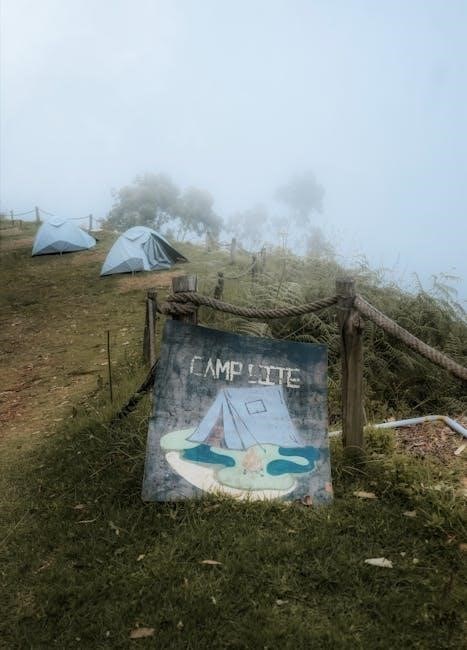
Printable Resources for Camp Management
Effective camp management hinges on readily accessible, printable resources. PDFs offer a versatile solution, providing templates for daily schedules, activity sign-up sheets, and camper rosters. These documents facilitate smooth operation and clear communication amongst staff.
Essential printable PDFs include emergency contact forms, medical release waivers, and incident reports, ensuring camper safety and legal compliance. Customizable checklists for equipment, supplies, and pre-camp preparations further enhance organizational efficiency.
Utilizing these resources minimizes administrative burdens, allowing camp organizers to focus on creating a positive and enriching experience for all participants. Downloadable PDFs represent a practical and cost-effective solution for streamlined camp administration.
Sanity-Saving Tips for Camp Organizers
Camp organization can be overwhelming; leveraging PDF resources is a crucial first step. Pre-planning with downloadable checklists – for supplies, activities, and staff assignments – dramatically reduces last-minute stress. Digital forms, easily accessible as PDFs, streamline camper registration and parental communication.
Delegate tasks effectively and utilize shared online folders containing all essential PDFs. Implement a clear communication system, utilizing email templates (available as PDFs) for consistent messaging. Don’t underestimate the power of a detailed schedule, readily printable from a PDF document.
Remember self-care! Schedule breaks and designate quiet time. A well-organized system, built around accessible PDF resources, fosters a calmer, more enjoyable camp experience for everyone involved.
Gender and Camp
The camp aesthetic, as explored through Sontag’s lens, inherently challenges conventional gender norms. It’s a space for playful self-expression, unbound by traditional expectations. Accessing resources like “Notes on Camp” PDFs can illuminate this fluidity, fostering inclusivity within camp environments.
Camp encourages experimentation with style, allowing individuals to explore presentations beyond binary constraints. PDFs showcasing diverse fashion examples – bold prints, theatrical accessories – can inspire campers and staff alike. This aesthetic isn’t limited to any gender; it’s about embracing artifice and exaggeration.
Promoting a gender-fluid atmosphere requires conscious effort and readily available educational materials, potentially compiled into informative PDFs, ensuring a welcoming space for all.
Camp as a Gender-Fluid Aesthetic
Susan Sontag’s “Notes on Camp” implicitly recognizes gender’s performative nature, aligning perfectly with contemporary understandings of gender fluidity. PDFs detailing camp’s history and principles can serve as valuable resources for understanding this connection.
Camp rejects rigid categorization, embracing ambiguity and challenging societal norms surrounding gender expression. This aesthetic allows for playful exploration of identity, free from constraints. Accessing digital resources, like downloadable analyses of Sontag’s work, can deepen this understanding.
The inherent artifice of camp provides a safe space to experiment with presentation, offering liberation from traditional gender roles. Utilizing PDFs with visual examples of camp fashion and art can inspire creative self-expression.
Men and the Camp Aesthetic
Historically, camp’s association with queer culture often centered on male expression, though its reach extends far beyond. PDFs exploring Sontag’s essay can illuminate this historical context and its evolving interpretations.
Men engaging with the camp aesthetic embrace boldness, rejecting conventional masculinity through flamboyant style choices. This includes vibrant prints, luxurious textures, and deliberately exaggerated accessories. Downloadable style guides, available as PDFs, can offer inspiration.
The key lies in a playful self-awareness and theatricality, a conscious performance of style rather than adherence to rigid rules. Resources detailing camp’s principles, often found in PDF format, emphasize this freedom of expression. Men can utilize camp to subvert expectations and celebrate individuality.

Exploring Camp Through Style and Accessories

Camp thrives on exaggeration and artifice, making style and accessories crucial vehicles for its expression. PDFs detailing Sontag’s “Notes on Camp” highlight this emphasis on the unnatural and deliberately over-the-top.
Think bold colors, unexpected textures, and statement pieces – items that draw attention and challenge conventional notions of taste. Printable style guides, often available as PDFs, can offer visual inspiration and practical tips.
Accessories are particularly potent tools, allowing for playful experimentation and a touch of theatricality. From oversized sunglasses to flamboyant hats, these details elevate an outfit into the realm of camp. Resources exploring fashion’s engagement with camp, often in PDF form, showcase these elements effectively.
The Enduring Legacy of Camp
Susan Sontag’s “Notes on Camp,” initially published in 1964, continues to resonate, offering a framework for understanding a sensibility that transcends time and trends. Accessing this seminal essay as a PDF provides enduring insight.
The camp aesthetic’s influence permeates art, fashion, and popular culture, demonstrating its remarkable adaptability. PDFs compiling examples of camp in various media showcase its pervasive presence.
From Mitsuye Yamada’s poignant “Camp Notes” – a powerful testament to a dark chapter in history – to contemporary design, camp serves as a vehicle for expression, critique, and playful subversion. Downloadable resources and analyses, often in PDF format, solidify its lasting impact and continued relevance.