
In our fast-paced world, finding genuine contentment feels elusive. This guide, inspired by monastic teachings, offers practical tools to cultivate lasting happiness, even amidst daily chaos.
It challenges the notion that busy lives preclude inner peace, revealing how micro-moments of mindfulness can revolutionize your emotional well-being and overall life satisfaction.
The Modern Struggle for Contentment
The 21st century presents unique obstacles to happiness. Constant connectivity, relentless demands, and a culture of comparison fuel anxiety and dissatisfaction. Many believe they lack the time or capacity for practices like meditation, mistakenly thinking inner peace is a luxury, not a necessity.
This pervasive struggle is addressed directly. A monk’s guidance demonstrates that happiness isn’t about eliminating challenges, but changing our relationship to them. It’s about recognizing our inherent capacity for joy, even—and especially—within the pressures of modern life, and learning to “flick the switch” within.
The myth of needing extensive retreats is debunked.
The Relevance of Ancient Wisdom
Monastic traditions, honed over centuries, offer a profound understanding of the human mind and the nature of happiness. These teachings aren’t relics of the past, but remarkably relevant tools for navigating contemporary challenges. They provide a framework for cultivating inner resilience and emotional balance, qualities increasingly vital in today’s world.
This ancient wisdom emphasizes that happiness isn’t dependent on external circumstances. Instead, it arises from within, through practices like meditation and compassion. A monk’s perspective reveals how to access this innate capacity for joy, regardless of life’s inevitable difficulties.
It’s a timeless path, modernized for the 21st century.
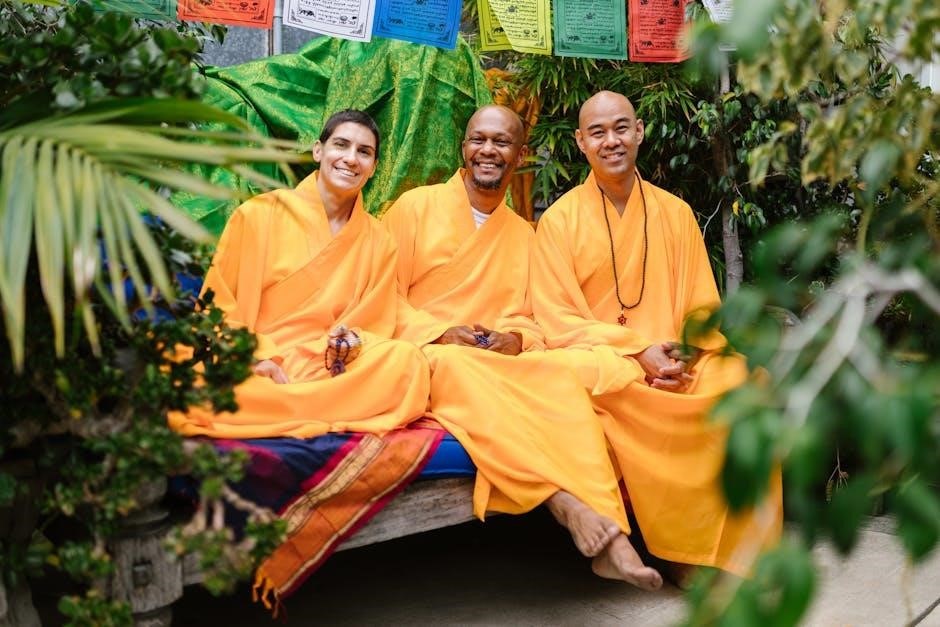
Understanding Happiness from a Monastic Perspective
Monastic teachings reveal happiness isn’t a destination, but a skill developed through practice. It’s about shifting your internal state, not changing external events.
Debunking Myths About Happiness
Many believe happiness is contingent upon achieving specific goals or possessing certain things, a common misconception. This perspective fosters a perpetual chase, leaving contentment perpetually out of reach.
A monastic approach dismantles this myth, asserting happiness isn’t about getting, but about being. It’s not a reward for success, but a state accessible in the present moment, regardless of circumstance.
Furthermore, the idea that a busy mind is incompatible with happiness is false. The guide demonstrates that even amidst a hectic schedule, micro-moments of mindfulness can cultivate inner peace and joy.
Happiness as a Skill, Not a Destination
The pursuit of happiness often frames it as an end goal, a place to arrive. However, a monastic perspective reframes this entirely, viewing happiness as a skill honed through consistent practice, much like learning a musical instrument or mastering a craft.
It’s not a passive experience, but an active cultivation. This requires intentional effort, developing habits of mindfulness, compassion, and emotional regulation.
The guide emphasizes that happiness isn’t found someday, but built today, through deliberate choices and mindful engagement with life’s experiences.
The Natural Capacity for Happiness
A core tenet of this approach is the belief that we are inherently wired for happiness. It’s not something we need to acquire, but rather something we need to uncover – a potential already residing within us.
Obstacles like negative thought patterns and emotional reactivity obscure this natural state. The guide suggests that through practices like meditation, we can gently remove these obstructions, allowing our innate joy to surface.
This isn’t about positive thinking, but about recognizing our fundamental capacity for peace and contentment, regardless of external circumstances.

Practical Methods for Cultivating Happiness
Discover accessible techniques for integrating happiness into daily life. Learn to utilize micro-moments of meditation and cultivate compassion, transforming your mindset for lasting well-being.
Micro-Moments of Meditation
Traditional meditation often feels daunting with time constraints, but a monk’s approach offers a refreshing solution: micro-moments. These are brief, intentional pauses woven throughout your day – a few mindful breaths while waiting for coffee, or a moment of focused awareness during a commute.
These aren’t about achieving a specific state, but rather about anchoring yourself in the present. Gelong Thubten emphasizes that even seconds of mindful attention can shift your perspective and cultivate inner calm. It’s about recognizing that happiness isn’t reserved for dedicated practice sessions, but accessible now, in the midst of life’s demands.
These small practices build resilience and create opportunities for choosing happiness consistently.
Integrating Meditation into a Busy Schedule
The core message of “A Monk’s Guide to Happiness” dismantles the belief that meditation requires extensive, uninterrupted time. Instead, it champions accessibility, suggesting that practice can seamlessly integrate into even the most hectic schedules.
Thubten encourages finding “pockets” of opportunity – during commutes, before meetings, or even while washing dishes. The key is consistency, not duration. He acknowledges that mornings aren’t ideal for everyone, advocating for practice whenever possible, prioritizing daily engagement over rigid timing.
This flexible approach removes barriers and fosters a sustainable practice.
Finding Time for Daily Practice
“A Monk’s Guide to Happiness” emphasizes that daily meditation isn’t about making time, but rather finding it within your existing routine. It’s about recognizing the potential for mindfulness in everyday moments, transforming mundane tasks into opportunities for practice.
Gelong Thubten suggests starting small – even a few mindful breaths can be impactful. He highlights that consistency is paramount, advocating for short, regular sessions over infrequent, lengthy ones.
Prioritizing this practice, even amidst a busy life, cultivates inner peace and resilience.

The Role of Meditation in Achieving Happiness
Meditation isn’t a chore, but a mental “switch” to happiness. It transforms our relationship with thoughts and emotions, fostering contentment and inner peace, as a monk discovered.
Overcoming Initial Resistance to Meditation
Many find meditation challenging initially, even unpleasant. It’s surprisingly common to dislike it at first, as one monk candidly admitted – viewing it as a tedious task rather than a pathway to peace. This resistance is perfectly normal!
Recognize that this feeling doesn’t signify failure, but rather a natural hurdle. Don’t strive for a ‘perfect’ meditation; simply show up and observe. Accepting discomfort is key.
Remember, the goal isn’t to stop thoughts, but to shift your relationship to them. Start small, with micro-moments, and be patient with yourself.
Shifting Your Relationship with Meditation
The key to sustained practice lies in reframing meditation. Instead of viewing it as another item on your to-do list, or a discipline requiring perfection, see it as a mental “switch” – a tool to access inherent happiness. This perspective dramatically alters the experience.
Once perceived as a chore, meditation transforms into a readily available resource for calm and clarity. It’s not about emptying the mind, but about observing thoughts without judgment, creating space for peace.
Embrace it as a gentle return to your natural state of well-being, rather than a strenuous effort.
Meditation as a Mental “Switch”
Imagine a simple switch controlling your inner state. That’s the power of meditation, offering immediate access to calm amidst chaos. It’s not about eliminating thoughts, but about choosing where to place your attention, shifting from reactivity to mindful observation.
This “switch” isn’t complex; it’s a conscious decision to return to the present moment. Even brief moments of focused breathing can reset your nervous system, reducing stress and fostering emotional resilience.
Regular practice strengthens this mental muscle, making the shift quicker and more natural.
Developing Compassion for Yourself and Others
Compassion, starting with self-kindness, is foundational for inner peace. Extending this warmth to all beings unlocks deeper happiness and interconnectedness, fostering genuine contentment.
Self-Compassion: The Foundation of Inner Peace
Cultivating self-compassion is paramount; it’s the bedrock upon which lasting happiness is built. Often, we are our own harshest critics, relentlessly judging ourselves and dwelling on perceived failures.
A monk’s guide emphasizes treating yourself with the same kindness and understanding you would offer a dear friend. This isn’t self-indulgence, but rather recognizing your inherent worthiness of care, especially during challenging times.
Acknowledging suffering – your own and others’ – with gentleness, rather than resistance, is key. Self-compassion allows you to navigate difficulties with resilience and grace, fostering a sense of inner peace that isn’t dependent on external circumstances.
Extending Compassion to All Beings
Genuine happiness isn’t solely an individual pursuit; it’s deeply intertwined with the well-being of others. A monk’s path reveals that expanding compassion beyond oneself is crucial for sustained contentment.
Recognizing the shared human experience – our common desires for happiness and freedom from suffering – fosters empathy and connection. This understanding dissolves the boundaries of “us” and “them,” revealing our interconnectedness;
Practicing loving-kindness meditation, extending wishes for happiness to all beings, cultivates a broader sense of belonging and purpose. It’s a powerful antidote to isolation and a catalyst for positive change.
The Interconnectedness of Happiness
A core tenet of monastic wisdom is the understanding that happiness isn’t a solitary achievement. It flourishes within a web of relationships and mutual support. Our well-being is inextricably linked to the well-being of those around us.
When we cultivate compassion and kindness towards others, we simultaneously nurture our own inner peace. Acts of generosity and service create a ripple effect, fostering positive emotions and strengthening community bonds.
Recognizing this interconnectedness shifts our focus from self-centeredness to a more expansive, inclusive perspective, unlocking a deeper and more sustainable form of happiness.
Revolutionizing Your Relationship with Thoughts and Emotions
Learn to observe your thoughts without judgment, recognizing they are simply mental events, not defining truths. This practice breaks negative patterns and fosters emotional freedom.
Observing Thoughts Without Judgment
The core of transforming your inner landscape lies in becoming a detached observer of your thoughts. Instead of getting swept away by narratives, simply notice them arising and passing, like clouds in the sky.
This isn’t about suppressing thoughts, but about creating space between you and them. Recognize that thoughts are not facts; they are mental constructions.
A monk’s guide emphasizes that labeling thoughts – “planning,” “worrying,” “remembering” – can help distance you from their emotional charge. This mindful observation weakens their grip, allowing you to respond with clarity rather than react impulsively.
Practice this consistently, and you’ll discover a newfound freedom from the tyranny of your own mind.
Managing Difficult Emotions
Acknowledging difficult emotions—sadness, anger, fear—is the first step, not avoiding or suppressing them. A monk’s approach isn’t about eliminating these feelings, but changing your relationship with them.
Recognize that emotions are temporary states, arising and passing like waves. Allow yourself to feel them fully, without getting lost in the story they create.
Practice self-compassion; treat yourself with the same kindness you would offer a friend. This creates a safe space to process challenging emotions, fostering resilience and inner peace.
Remember, emotions are signals, not sentences.
Breaking Free from Negative Thought Patterns
Negative thought patterns often operate on autopilot, creating unnecessary suffering. The key is to become aware of these habitual loops – recognizing them as thoughts, not as absolute truths.
Practice observing your thoughts without judgment, as if watching clouds drift across the sky. This detachment weakens their power over you.
Challenge negative self-talk with compassion and realism; Replace harsh criticism with gentle encouragement, and reframe situations with a more balanced perspective.
Cultivate mindful awareness to interrupt these cycles.
Creating a Life of True Happiness and Contentment
Embrace mindful living, recognizing the power of choice in shaping your happiness. Sustaining contentment requires consistent practice and a commitment to inner peace.
Mindful Living in the 21st Century
Navigating modern life demands a conscious shift towards presence. This isn’t about escaping the demands of the day, but rather engaging with them from a place of calm awareness. A Monk’s Guide to Happiness emphasizes integrating mindfulness into even the busiest schedules.
Small, intentional pauses – “micro-moments” – can become powerful anchors. These brief meditations, woven throughout your day, help break negative thought patterns and foster a deeper connection to the present moment. It’s about recognizing that happiness isn’t a future destination, but a quality of being cultivated now.
The Power of Choice in Happiness
A Monk’s Guide to Happiness reveals a liberating truth: happiness isn’t something that happens to us, but a choice we actively make. This isn’t about positive thinking, but about recognizing our capacity to shift our internal state, regardless of external circumstances.
We often believe our thoughts and emotions control us, but the book demonstrates the opposite. By observing them without judgment, we create space to choose a more compassionate and constructive response. This conscious choice empowers us to cultivate contentment and resilience.
Sustaining Happiness Long-Term
A Monk’s Guide to Happiness emphasizes that happiness isn’t a destination, but a consistent practice. It’s not about achieving a permanent state of bliss, but cultivating the skills to navigate life’s inevitable challenges with grace and equanimity.
Regular meditation, even in “micro-moments,” reinforces these skills, building emotional resilience and a deeper connection to inner peace. Sustaining happiness requires integrating mindful awareness into daily life, fostering self-compassion, and remembering the power of choice.
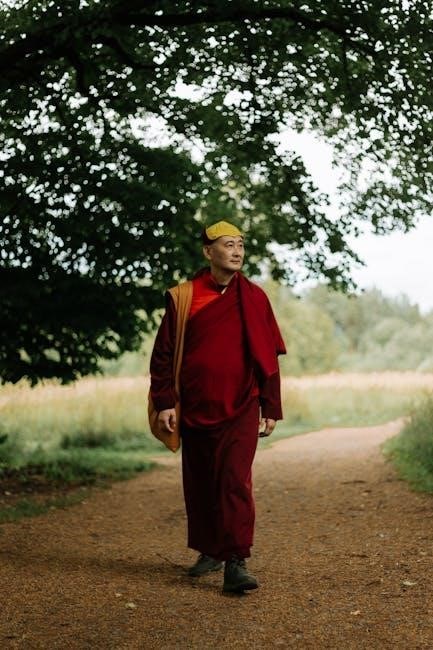
The Benefits of a Consistent Practice
Consistent practice yields reduced stress, increased emotional resilience, and improved well-being. Mindfulness cultivates a calmer mind, fostering inner peace and a more joyful existence.
Reduced Stress and Anxiety
Meditation, a cornerstone of this approach, directly addresses the root causes of stress and anxiety. By learning to observe thoughts without judgment, individuals create space between themselves and overwhelming feelings.
This mindful detachment prevents negative thought patterns from spiraling, fostering a sense of calm even amidst challenging circumstances. Consistent practice rewires the brain, strengthening pathways associated with relaxation and reducing reactivity to stressors.
Ultimately, this leads to a more peaceful and balanced state of mind, allowing for greater clarity and resilience in navigating life’s inevitable difficulties.
Increased Emotional Resilience
Cultivating compassion, both for oneself and others, is central to building emotional resilience. Recognizing shared humanity and practicing kindness softens the impact of difficult emotions, fostering acceptance rather than resistance.
This approach doesn’t eliminate hardship, but transforms our relationship to it. Through mindful awareness, we learn to navigate emotional storms with greater equanimity, bouncing back from setbacks with increased strength and wisdom.
Consistent practice builds a buffer against life’s challenges, enabling a more stable and grounded emotional foundation.
Improved Overall Well-being
A consistent meditation practice, as outlined in “A Monk’s Guide to Happiness,” extends far beyond stress reduction. It fosters a holistic sense of well-being, positively impacting physical health, mental clarity, and interpersonal relationships.
By shifting our internal landscape, we cultivate a greater sense of peace and contentment. This translates into improved sleep, enhanced focus, and a more optimistic outlook on life, creating a virtuous cycle of positive change.
Ultimately, it’s about thriving, not just surviving.
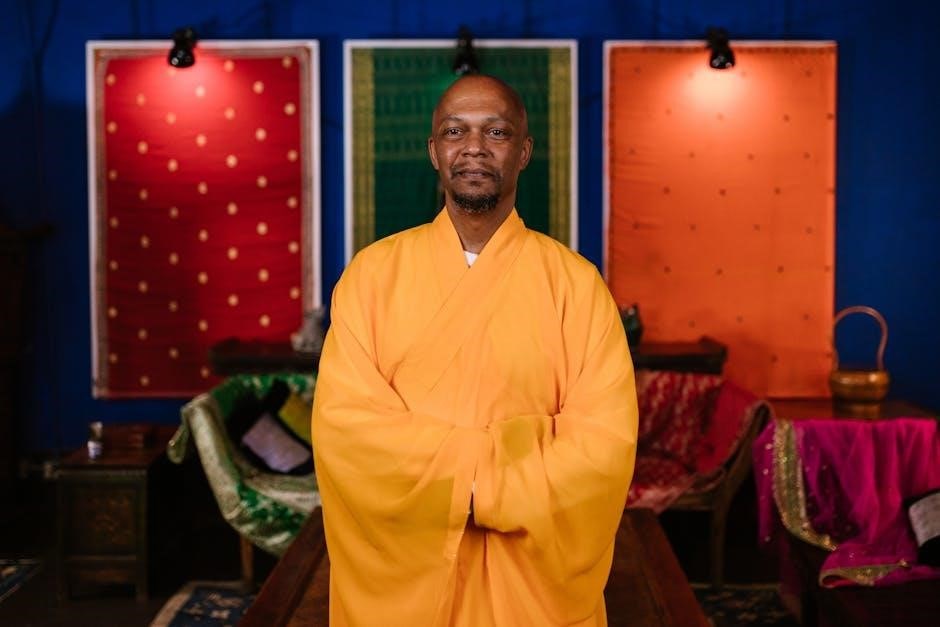
Resources for Further Exploration
Dive deeper with “A Monk’s Guide to Happiness” by Gelong Thubten, explore online meditation platforms, and connect with local communities for continued support and growth.
Recommended Reading: “A Monk’s Guide to Happiness”
Gelong Thubten’s “A Monk’s Guide to Happiness” is a transformative read for anyone seeking inner peace in the modern world. This book skillfully dismantles the common misconception that a hectic lifestyle is incompatible with meditative practice.
It provides accessible, practical methods for integrating mindfulness into even the busiest of schedules, emphasizing the power of “micro-moments” of meditation. Readers will discover techniques to cultivate self-compassion, manage difficult emotions, and ultimately, choose happiness.
The book reveals that we are inherently wired for happiness, offering a refreshing perspective and empowering individuals to revolutionize their relationship with thoughts and feelings.
Online Meditation Resources
Numerous online platforms offer guided meditations and mindfulness exercises, complementing the principles found in “A Monk’s Guide to Happiness.” Insight Timer provides a vast library of free meditations, including sessions focused on compassion and emotional resilience.
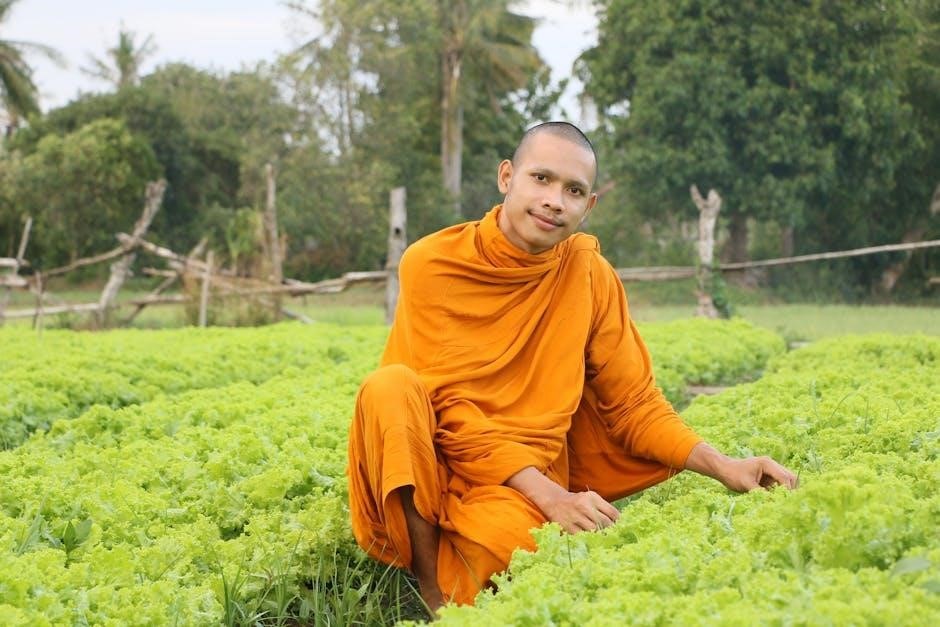
Headspace and Calm are popular subscription-based apps offering structured meditation courses suitable for beginners and experienced practitioners alike. UCLA Mindful Awareness Research Center provides free guided meditations and resources.
These digital tools can help establish a consistent practice, making mindfulness accessible anytime, anywhere, reinforcing the book’s message that happiness is attainable through dedicated, regular effort.
Finding a Local Meditation Community
Connecting with a local meditation group can significantly deepen your practice, fostering a sense of support and shared experience, aligning with the communal aspects of monastic life. Search online directories like Meetup.com for mindfulness and meditation groups in your area.
Buddhist centers and temples often offer introductory meditation classes and regular sittings. Local yoga studios frequently incorporate mindfulness practices into their classes, providing another avenue for connection.
Shared practice reinforces commitment and provides opportunities to learn from others, enriching your journey towards lasting happiness as outlined in “A Monk’s Guide to Happiness.”