
Overview of Frigidaire Stackable Washer and Dryer Units
Frigidaire stackable washer‑dryer combos offer compact, efficient laundry solutions. The FLSE72GCS9 and LCE752LW2 models feature 27‑in. laundry centers, 1‑inch square grids, and user‑friendly controls. Manuals detail care, repair, and safety compliance. Manuals offer diagrams part lists and repair tips.
Safety Precautions and Compliance Standards
Frigidaire stackable washer‑dryer units comply with UL, CSA, and IEC safety standards. Before installation, verify that the unit is connected to a grounded 120‑V circuit with a 15‑A circuit breaker. Ensure the vent hose is secured with a clamp and that the dryer’s lint filter is cleaned after each cycle. Do not overload the washer; the maximum load is 4.5 kg for the 7‑kg drum. Keep the unit away from water sources and maintain at least 1 ft clearance on all sides to prevent overheating. The dryer’s automatic temperature sensor shuts off the heat if the temperature exceeds 140 °F. For maintenance, unplug the appliance and disconnect the water supply. Do not attempt to repair the heating element or motor without professional assistance. Follow the manufacturer’s instructions for cleaning the condenser and venting system to avoid fire hazards. The unit’s warranty covers defects in materials and workmanship for one year from the date of purchase. Contact Frigidaire customer support for any safety concerns or to schedule a service appointment. Adhering to these guidelines helps prevent hazards and extends unit’s lifespanStay safe.

Installation Requirements and Space Planning
Frigidaire stackable washer‑dryer units require precise space planning to ensure safe operation and optimal performance. The FLSE72GCS9 model measures 27.5 in. wide, 30 in. deep, and 35 in. high when stacked, while the LCE752LW2 is 27 in. wide, 30 in. deep, and 35 in. high. Leave at least 2 in. of clearance on all sides for airflow, maintenance access, and to accommodate the dryer vent. The dryer vent must be routed through a wall or ceiling with a 90° bend allowed only once, and the vent hose should not exceed 25 ft. The washer’s water supply lines should be connected to a 3/4‑in. threaded valve, and the drain hose must be positioned above the floor to prevent backflow. Ensure the electrical supply is a dedicated 120‑V, 15‑A circuit with a GFCI outlet for safety. The unit should be placed on a level surface; use shims if necessary to correct any tilt. When stacking, secure the dryer on top of the washer with the manufacturer’s provided brackets or a compatible mounting kit to prevent shifting during operation. Verify that the combined unit weight does not exceed the floor load capacity. Follow the manufacturer’s installation manual for torque specifications on all fittings, and double‑check that the dryer’s lint filter is installed correctly before first use. Proper installation reduces noise, vibration, and potential damage to the unit and surrounding cabinetry. For detailed diagrams and step‑by‑step instructions, refer to the Frigidaire installation guide available in the user manual or on the official website. Adhering to these requirements ensures compliance with local building codes and extends the appliance’s lifespan. Check local codes before finalizing installation and safety. Please!
Electrical Wiring and Grounding Guidelines
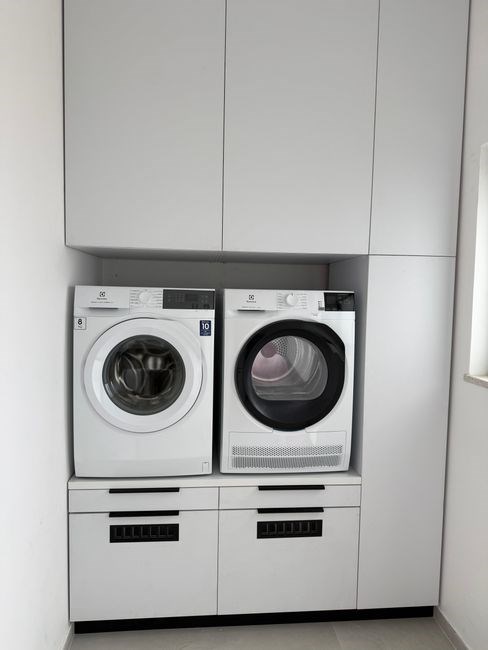
Frigidaire stackable washer‑dryer units require a dedicated 120‑V, 15‑A circuit with a GFCI outlet. Use a 14‑AWG or larger 3‑wire cable (black, white, green). The neutral must be bonded to the metal frame, and the green ground wire must be securely attached to the grounding screw. The dryer’s vent must connect to a 4‑in. or larger vent pipe; the vent hose should be secured with clamps and should not exceed 25 ft. The washer’s water inlet valves should be turned off during installation, and the drain hose must be positioned above the floor to prevent backflow. All connections should be tightened to the manufacturer’s torque specifications. The dryer’s lint filter must be installed correctly before the first cycle. The unit should be placed on a level surface; use shims if necessary to correct any tilt. The dryer’s vent must be routed through a wall or ceiling with a 90° bend allowed only once. Inspect the vent hose for lint buildup every 3 months and replace the filter after each cycle. Verify that the dryer’s electrical cord is intact and free of damage before use. Ensure the dryer’s vent is properly sealed to prevent air leaks. Follow local electrical codes for proper grounding and bonding. The circuit breaker should be a 15‑A double‑pole breaker with a 20‑amp rating to provide a safety margin. Wiring must be run through conduit or cable trays rated for appliance use, and all connections should be made in an accessible junction box. The dryer’s vent should be checked for proper airflow by measuring the pressure differential across the vent. The washer’s water inlet should include a pressure relief valve rated for 150 psi. The drain hose should be secured with a hose clamp to prevent detachment during operation. The grounding strap should be tightened to a torque of 10–12 ft‑lb. Inspect the dryer’s lint filter weekly for accumulation, and inspect the vent monthly for lint buildup. Refer to the Frigidaire installation manual for detailed torque values and wiring diagrams. Proper wiring and grounding reduce the risk of electrical shock, short circuits, and appliance damage.
Plumbing Connections for the Washer
Frigidaire stackable washer units employ a standard 3‑way valve system. The cold water supply line attaches to the washer’s inlet valve, which must be closed during installation. An optional hot water line connects to a second inlet, both lines using 3/8‑in. or 1/2‑in. copper or PEX with a 1‑in. or 3‑in. hose clamp. The washer’s drain hose routes through a floor or wall drain, using a 4‑in. or larger vent pipe. The hose is secured with a clamp and positioned at least 2 in. above the floor to prevent backflow. A pressure relief valve rated for 150 psi should be installed on the hot water line. The water inlet must have a shut‑off valve, and the drain hose should be inspected for kinks before each cycle. The hose must connect to a drain that is at least 1 in. higher than the washer’s drain opening. All water inlet and drain connections should be tightened to the manufacturer’s torque specifications. Water supply lines should be insulated to avoid condensation. The drain hose should be routed to avoid crossing electrical wiring. After the first cycle, check the water inlet for leaks. Inspect the drain hose monthly for lint buildup. Replace the water inlet valve if it shows signs of wear or corrosion. Replace the drain hose if it shows signs of damage or wear. Verify that the water inlet valve operates correctly by running a short cycle with the supply on. Ensure the washer’s water inlet pressure remains within the manufacturer’s specifications. Maintain the drain hose in good condition to prevent clogs and ensure efficient operation.—————————————
Operating the Washer: Cycle Selection and Controls
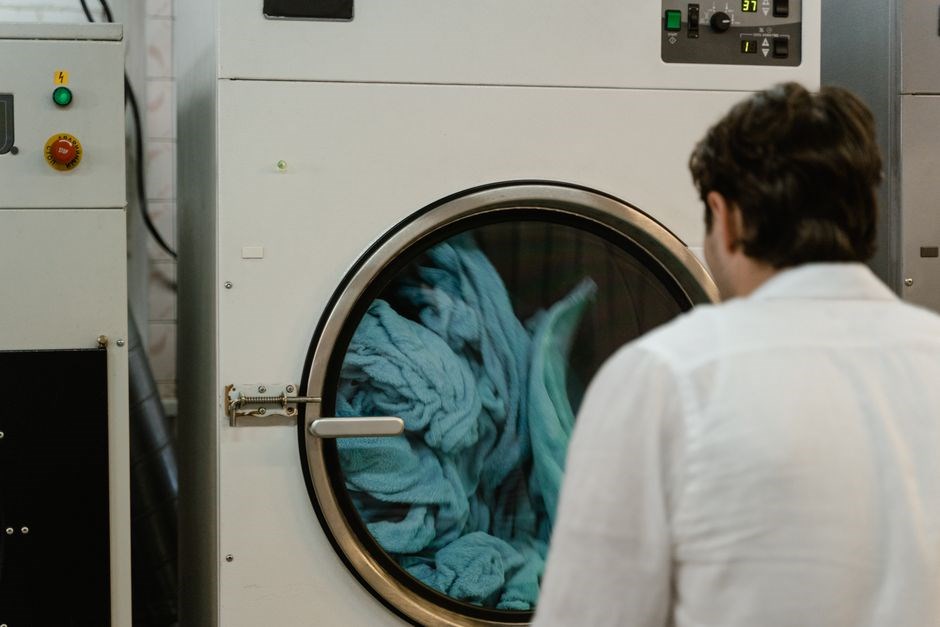
Frigidaire stackable washers feature a digital touch‑screen or rotary dial that displays multiple cycle options: Normal, Quick, Heavy, Wool, Synthetics, Delicate, and an Eco mode. The user selects the desired cycle by pressing the button or turning the dial. After selection, the washer automatically adjusts spin speed, wash time, and water temperature. The Quick cycle runs for 15–20 minutes, ideal for lightly soiled garments, while the Heavy cycle extends to 60 minutes with higher temperatures. The Wool cycle uses gentle agitation and a lower spin speed to protect delicate fibers. The Eco mode reduces water usage by 30 % and extends cycle time to conserve energy. A Delay Start button allows the user to set a start time up to 24 hours in advance. The Spin Only option can be selected for rinsed or lightly damp loads. The control panel also includes a Temperature selector (Cold, Warm, Hot) and a Spin Speed selector (Low, Medium, High). For advanced users, a Custom menu lets the user set wash time, spin speed, and temperature manually. The washer’s LED display shows the current cycle, remaining time, and any error codes. A Pause button can temporarily halt the cycle, and a Cancel button stops the washer entirely. The washer’s firmware calibrates water levels based on load size, ensuring optimal performance and preventing over‑spillage. The combination of preset cycles and customizable settings provides flexibility for various laundry needs while maintaining energy efficiency. The washer also includes a built‑in water‑saving timer that pauses the cycle during peak hours if the Smart Energy feature is enabled. All settings are user‑friendly.
Operating the Dryer: Cycle Selection and Controls
Frigidaire stackable dryers provide a range of cycle options such as Normal, Quick, Delicate, Wool, and an Eco‑Dry mode. The user selects a cycle by pressing the corresponding button on the digital display or rotating the control dial. After a cycle is chosen, the dryer automatically sets the drying temperature and time. The Quick cycle completes in 25–30 minutes, suitable for lightly damp loads, while the Normal cycle runs 45–55 minutes for standard loads. The Delicate cycle uses a lower heat setting and a shorter time to protect fragile fabrics. The Wool cycle employs a gentle heat and a built‑in moisture sensor that stops the cycle when the load is dry, preventing shrinkage. Eco‑Dry reduces energy consumption by 20 % and extends the cycle to allow lower temperatures. A Delay Start feature lets the user set a start time up to 24 hours ahead. The user can also select a Custom cycle, manually adjusting temperature, time, and moisture level. The control panel displays the current cycle, remaining time, and any error codes on a back‑lit LCD. A Pause button temporarily stops the cycle, and a Cancel button stops the dryer entirely. The dryer’s built‑in moisture sensor automatically terminates the cycle when the load reaches the desired dryness, ensuring efficient use of energy and preventing over‑drying. The dryer also offers a sensor‑dry option that uses a moisture sensor to determine the exact drying time, which saves energy and protects fabrics. The user can adjust the heat level with the Heat selector (Low, Medium, High). The dryer’s firmware monitors the load size and adjusts the drying time accordingly. All controls are intuitive and designed for quick operation. The dryer also features a built‑in lint filter that automatically alerts the user when it needs cleaning, ensuring optimal airflow and safety. A child‑lock function is available to prevent accidental operation. The appliance’s firmware supports a Smart Energy mode that adjusts drying cycles based on utility rates, providing cost savings. The dryer’s digital display also shows the estimated energy usage for the selected cycle, allowing users to monitor consumption. For added convenience, a built‑in timer can be set to pause the cycle during peak hours. The dryer’s design includes a venting system that can be connected to either a vented or ventless setup, depending on the installation location. Users can also choose a ventless option that recirculates air, which is ideal for apartments without external venting. All controls are accessible from a single panel, making operation straightforward for users of all ages.

Wash Cycle Features and Options
Frigidaire stackable washers offer a variety of wash cycles to suit every laundry need. The Normal cycle tackles everyday loads, while the Quick cycle finishes a damp load in 25 minutes. The Delicate cycle uses gentle drum motion and lower temperature to protect silk, lace, and other fragile fabrics. The Wool cycle incorporates a moisture sensor that stops the cycle when the load is dry, preventing shrinkage. The Heavy‑Duty cycle delivers extra agitation and a longer rinse for soiled workwear. A Sensor‑Wash option automatically adjusts water level, spin speed, and cycle time based on load weight and fabric type, ensuring efficient use of water and energy. The Eco‑Wash mode reduces water consumption by up to 30 % and shortens cycle time. The Add‑Wash feature allows the user to pause the cycle and add forgotten items without resetting the entire program. The Delay Start function lets the user set a start time up to 24 hours ahead, while the Child Lock prevents accidental button presses. The washer’s digital display shows the selected cycle, remaining time, and any error codes. A built‑in water‑level sensor detects leaks and alerts the user. The drum is designed for low noise and vibration, and a built‑in lint filter automatically alerts when it needs cleaning. The washer’s firmware monitors load size and adjusts spin speed to reduce wear on clothes. All controls are intuitive and designed for quick operation, making the washer easy to use for users of all ages.

Dry Cycle Features and Options
Frigidaire stackable dryers provide a range of dry cycles to meet diverse fabric care needs. The Normal cycle delivers consistent heat and tumbling for everyday loads, while the Quick cycle completes a light load in 30 minutes. The Delicate cycle uses low heat and gentle tumbling to protect silk, lace, and other sensitive fabrics. The Wool cycle incorporates a moisture sensor that stops the cycle when the load is dry, preventing shrinkage. The Heavy‑Duty cycle offers high heat and extended tumble time for heavily soiled items. A Sensor‑Dry option automatically adjusts temperature, fan speed, and cycle length based on load weight and fabric type, ensuring efficient use of energy. The Eco‑Dry mode reduces energy consumption by up to 30 % and shortens cycle time. The Add‑Dry feature allows the user to pause the cycle and add forgotten items without resetting the entire program. The Delay Start function lets the user set a start time up to 24 hours ahead, while the Child Lock prevents accidental button presses. The dryer’s digital display shows the selected cycle, remaining time, and any error codes. A built‑in moisture sensor detects dampness and alerts the user. The dryer’s lint filter automatically alerts when it needs cleaning. The dryer’s firmware monitors load size and adjusts fan speed to reduce wear on clothes. All controls are intuitive and designed for quick operation, making the dryer easy to use for users of all ages. The dryer also features a built‑in timer that allows the user to set a precise drying duration, ensuring optimal moisture removal without over‑drying. Additionally, the unit includes an auto‑leveling system that adjusts the dryer’s position for maximum stability on uneven floors. For added convenience, the dryer offers a quick‑start button that initiates a short cycle for lightly damp clothes, and a sensor‑based humidity indicator that displays real‑time moisture levels on the screen. The dryer’s safety interlock prevents operation when the door is open, and a child‑safe lock feature ensures safe use in households with young children.
Troubleshooting Common Operational Issues
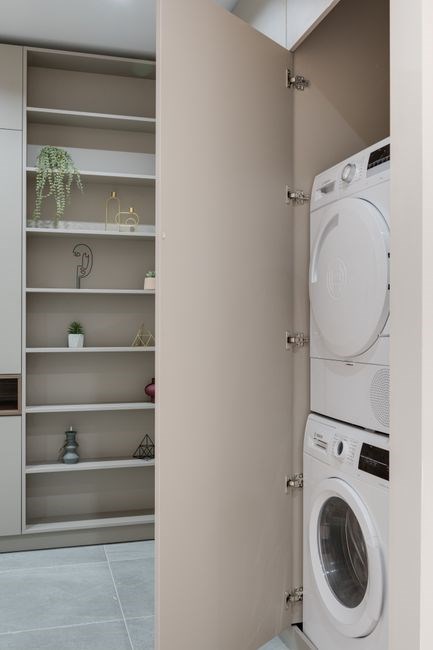
When a Frigidaire stackable washer or dryer fails to start, check the power supply and circuit breaker. Verify the unit is properly grounded and the door latch is secure. If the washer displays error code 101, the water inlet valve may be clogged; clean the filter. Error code 202 on the dryer indicates a blocked vent; clear lint from exhaust. For a washer that does not spin, inspect the drive belt for wear or breakage and replace if necessary. A dryer that overheats may have a faulty thermostat; test with a multimeter and replace. If the dryer’s drum does not rotate, check the motor coupler for damage. A persistent “No Load” error on the washer suggests the load sensor is dirty; clean the sensor area. For intermittent operation, ensure the control panel is free from moisture and that the user button is not stuck. If the dryer’s fan fails, inspect the fan blade for obstructions and replace the motor if it is not spinning. For a washer that over‑fills, inspect the water inlet valve for a stuck position. If the dryer emits a burning smell, unplug immediately and inspect the heating element for cracks or short circuits. Always refer to the model‑specific repair manual for detailed schematics and part numbers. Contact Frigidaire service for complex issues beyond basic troubleshooting. If the dryer’s timer stops early, check for a jammed door latch or a faulty timer switch. When the washer’s water level indicator fails, verify the pressure switch is functioning and replace if defective. Always unplug before performing any service.
Check for leaks daily today.
Routine Maintenance and Care Instructions
Regular upkeep extends the life of a Frigidaire stackable washer‑dryer. Begin each cycle by inspecting the door seal for cracks; replace if damaged. Clean the lint filter after every load to prevent fire hazards. Wipe the drum with a damp cloth and mild detergent; avoid abrasive cleaners that can scratch the finish. Every month, run a hot‑water cycle with a cup of vinegar to dissolve mineral buildup. Check the water inlet hoses for kinks or leaks; tighten fittings and replace hoses every 3–5 years. Inspect the drain hose for clogs; clear with a plumber’s snake if necessary. Keep the exterior free of dust; use a soft microfiber cloth. Verify the dryer vent is unobstructed; vacuum lint from the vent cap weekly. Test the door latch and lock mechanism; lubricate with silicone spray if it sticks. Ensure the unit is level; adjust the feet to prevent vibration. Inspect the drive belt for wear; replace if it shows fraying. Every six months, examine the motor bearings for noise; if squealing occurs, have a professional service. Keep the surrounding area dry; use a dehumidifier in damp environments. Document any irregularities in the service log. Follow the manufacturer’s recommended detergent dosage; excess suds can cause residue buildup. Finally, schedule a professional inspection every two years to verify all components function correctly and to replace any worn parts before failure.
Perform a quarterly safety check. Turn off power, unplug the unit, and inspect the grounding wire for corrosion. Replace any frayed insulation. Test the thermal fuse with a multimeter; a blown fuse requires replacement. Check the water pressure by measuring gauge; low pressure can cause incomplete wash cycles. If the dryer’s heat output is low, clean the heating element and verify the thermostat. Use a lint‑free cloth to wipe the control panel after each use to prevent static buildup. Store detergent in a sealed container to avoid dust contamination. Keep the unit away from direct sunlight to prevent plastic warping. When the washer stops mid‑cycle, check the load distribution; uneven loads can trigger imbalance sensors. If the dryer emits a high‑frequency noise, inspect the drum rollers for wear. Replace any worn rollers promptly to avoid drum wobble. Document all maintenance actions in a logbook for future reference. This systematic approach helps maintain optimal performance and safety.
Schedule annual professional servicing to ensure all components meet safety standards.

Parts Identification and Replacement Process
Identify a faulty component by consulting the model‑specific service manual (e.g., FLSE72GCS9, LCE752LW2). Locate the part number in the diagram section; each part is labeled with a unique OEM code. Use the online parts lookup tool to confirm compatibility. Once the part is identified, order it through the official Frigidaire parts portal or a certified distributor. When the replacement arrives, verify the part number against the label and the manual’s part list.
Disconnect power and water supplies before opening the unit. Remove the outer panel, then access the internal component. For a motor, unscrew the mounting bolts, disconnect the wiring harness, and lift the motor out. For a drum belt, release tension by sliding the belt off the drum pulley and the motor pulley. Replace the belt with a new one of the same length and material. For a heating element, disconnect the terminal wires, remove the screws, and slide the element out. Install the new element by reversing the removal steps. After all parts are replaced, reassemble the panels, reconnect power, and run a test cycle to confirm functionality.
Keep a spare of critical parts such as belts, seals, and thermostats in a labeled storage box. Maintain a log of all replacements, noting the date, part number, and any observations. This record assists future troubleshooting and ensures compliance with warranty requirements.
Before installing a new part, inspect surrounding components for wear. For example, when replacing a drum seal, check the drum bearings for smooth rotation. If bearings are worn, replace them simultaneously to avoid future failure. Use a torque wrench to tighten mounting bolts to the manufacturer’s specified torque (typically 25–30 lb‑ft). After reassembly, perform a dry run to ensure the unit operates quietly and without vibration. If abnormal noise persists, double‑check all connections and alignment.
Document each step in the service log, including part numbers, serial numbers, and any deviations from the standard procedure. This documentation is essential for warranty claims and future maintenance.
Access to Official Frigidaire Repair Manuals
Frigidaire’s official repair manuals are available through the manufacturer’s website and authorized third‑party distributors. To locate a manual, enter the exact model number (e.g., FLSE72GCS9) into the search field on the Frigidaire Support portal. The portal will return a PDF download link, a printable version, and an interactive diagram set. For users who prefer physical copies, the portal offers a “Print‑Ready PDF” that can be printed at home or sent to a local print shop.
Authorized distributors such as Appliance Parts Pros and Repair Manuals Direct also host the same PDFs, often with a short processing fee. These sites provide a convenient way to order a hard copy or a USB drive containing the manual. Users must create an account, verify ownership via serial number, and then download the ZIP archive containing PDF, video tutorials, and a parts lookup tool.
The app includes a search function, offline viewing, and a “Repair Assistant” that guides users through the manual’s instructions in real time. Users can also request a phone call from a certified technician, who will walk them through the manual’s instructions in real time. All official manuals are updated annually to reflect firmware changes, safety updates, and new part numbers, ensuring that technicians and DIY users have the most accurate information.
Customers can download a PDF user guide from the Frigidaire website, which includes a checklist and a FAQ section. The guide is updated annually to match firmware revisions, ensuring information for every model

Warranty Coverage and Service Options
Frigidaire stackable washer‑dryer units come with a standard 1‑year limited warranty that covers all parts and labor for defects arising from manufacturing. The warranty is valid only when the appliance is installed by a certified technician and used in accordance with the user manual. For models purchased after 2024, the warranty extends to 2 years for parts and 3 years for labor, provided the unit is registered within 30 days of delivery.
Customers may opt for an extended service plan through Frigidaire’s Authorized Service Partners. The 5‑year plan covers parts, labor, and a priority call‑out service, and can be purchased online or at the point of sale. The plan includes a complimentary annual inspection and a 24‑hour emergency hotline, ensuring rapid response.
Warranty claims are processed through the Frigidaire Support portal. Users must submit a claim form, provide the serial number, and attach a copy of the purchase receipt. Once approved, a service technician will be dispatched within 48 hours. If the issue is covered, the technician will replace or repair the component on site and will also provide a repair estimate before any work begins. Parts that are not covered will be billed separately.
To activate the warranty, customers must register the appliance within 30 days of delivery. Registration can be completed online by entering the serial number and proof of purchase. Failure to register may void the warranty. The warranty does not cover damage caused by misuse, improper installation, or modifications. Water damage from a broken hose or overflow is excluded. Normal wear and tear, such as worn drum bearings or belts, is also excluded.
Frigidaire’s service network includes over 500 authorized repair centers across the United States. Technicians are certified by the manufacturer and have access to the latest diagnostic software. When a repair is required, the technician will use the official repair manual to identify the root cause and order the correct OEM part. The technician will also update the service log and provide a detailed report to the customer.
If a customer is dissatisfied with the service, they can file a complaint through the Frigidaire Customer Care portal; The company’s escalation process ensures that complaints are reviewed within 5 business days. A resolution may include a refund, replacement, or additional service credit.

Customer Support Contact Information and Resources
Customers seeking assistance with Frigidaire stackable washer‑dryer units can reach the official support team through several convenient channels. The primary contact number for U.S. customers is 1‑800‑374‑3425, available Monday‑Friday from 8 a.m. to 8 p.m. Eastern Time. International callers can use the same toll‑free number, which will route them to the appropriate regional office. For those who prefer electronic communication, the support email address is support@frigidaire.com; responses are typically provided within 24 hours. Live chat is also available 24/7 on the Frigidaire website—click the “Chat Now” button on the support page to connect with a representative in real time.
All support resources are consolidated in the online Service Portal, where users can schedule appointments, submit warranty claims, and access troubleshooting guides. The portal also hosts a comprehensive FAQ section that covers common questions about installation, cycle selection, and maintenance. For peer‑to‑peer help, the Frigidaire Community Forum allows owners to share experiences, upload photos, and receive advice from other users and certified technicians.
Frigidaire’s social media channels—Facebook, Twitter, Instagram, and YouTube—provide quick updates on product recalls, new features, and instructional videos. The YouTube channel hosts step‑by‑step repair tutorials and user guides that complement the printed manuals. If you require additional documentation, the support portal also offers downloadable PDFs of the user manual and parts catalog. For urgent issues, the 24‑hour emergency hotline is listed on the support page and can be reached by dialing the same toll‑free number. All contact options are designed to deliver timely, reliable assistance to keep laundry operations running smoothly.