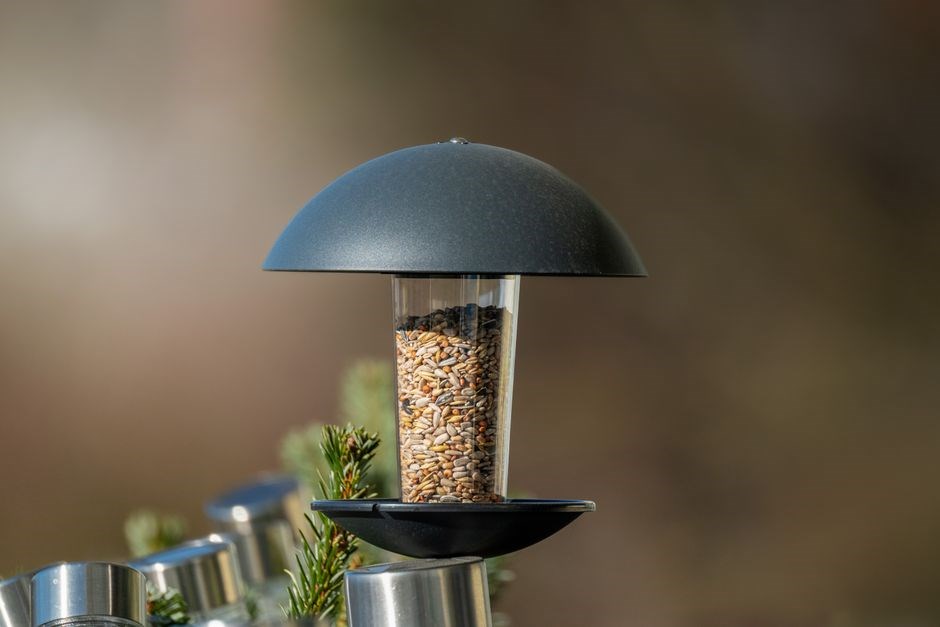
Overview of Vicohome Bird Feeder
The Vicohome Bird Feeder Manual offers concise instructions for assembly‚ mounting‚ and upkeep. It explains material safety‚ weather‑proofing‚ and bird‑friendly feeding practices‚ ensuring a durable‚ reliable feeder that attracts diverse species while protecting the environment. Enjoy watching. OK!!
Product Overview
The Vicohome Bird Feeder Manual provides a comprehensive guide to assembling‚ installing‚ and maintaining a high‑performance feeder designed for backyard bird enthusiasts. The manual begins with a quick‑start section that lists all components‚ including the metal frame‚ clear acrylic feeding tray‚ and detachable seed hopper‚ and explains the purpose of each part. It then walks the user through step‑by‑step assembly instructions‚ complete with numbered diagrams and safety warnings to prevent damage or injury. The manual emphasizes the use of durable‚ rust‑resistant steel and UV‑protected acrylic that withstands harsh weather‚ ensuring the feeder remains functional for years. It also highlights the bird‑friendly design features such as a wide feeding opening‚ anti‑predator spikes‚ and a built‑in perch that encourages natural perching behaviors. The guide concludes with troubleshooting tips‚ cleaning recommendations‚ and a FAQ section that addresses common questions about seed selection‚ seasonal maintenance‚ and how to attract specific bird species. By following this manual‚ users can confidently set up a reliable feeder that supports local wildlife and enhances the outdoor experience! Whether you’re a seasoned birdwatcher or a novice who simply enjoys the gentle chatter of feathered friends‚ the Vicohome Bird Feeder Manual equips you with everything needed to create a welcoming‚ safe‚ and sustainable feeding station that brings nature’s beauty right to your window. Its user‑friendly layout ensures quick assembly‚ while the included cleaning guide keeps the feeder pristine year after year. Quick assembly keeps the feeder pristine year after year daily.
Target Audience
The Vicohome Bird Feeder Manual is designed for a wide spectrum of users who share an enthusiasm for avian observation and outdoor living. It speaks directly to seasoned birdwatchers who need precise instructions on optimal feeder placement‚ seed mix selection‚ and seasonal maintenance to attract diverse species. Hobbyists and amateur naturalists appreciate the clear‚ step‑by‑step assembly guidance and practical advice for maximizing feeder visibility while reducing predator access. Parents and educators can employ the manual as an engaging‚ hands‑on tool to introduce children to local wildlife‚ encouraging curiosity and stewardship through simple‚ safe feeding practices. Homeowners seeking to enhance curb appeal and create a tranquil backyard oasis will find the durable‚ weather‑resistant design and elegant aesthetic appealing. Gardeners and landscape designers value the feeder’s modular compatibility with existing outdoor décor‚ allowing seamless integration into patios‚ balconies‚ or pergolas. Conservationists and community garden volunteers can rely on the manual’s emphasis on sustainable materials and bird‑friendly features to support regional biodiversity initiatives. Whether you’re a professional ornithologist‚ a weekend hobbyist‚ a family educator‚ or a homeowner looking to add a touch of nature‚ the Vicohome Bird Feeder Manual offers tailored insights and actionable steps to enrich your environment and connect you with the avian world. The guide’s inclusive language and practical illustrations make it accessible to beginners while still providing depth for experienced users. By following the manual’s recommendations‚ readers can create a welcoming‚ safe feeding station that attracts a variety of birds‚ supports local ecosystems‚ and brings the joy of birdwatching into everyday life. The manual’s focus on durability‚ ease of use‚ and ecological responsibility ensures that every user—regardless of skill level—can enjoy the benefits of a well‑designed feeder and the vibrant‚ feathered visitors it attracts.
Key Features
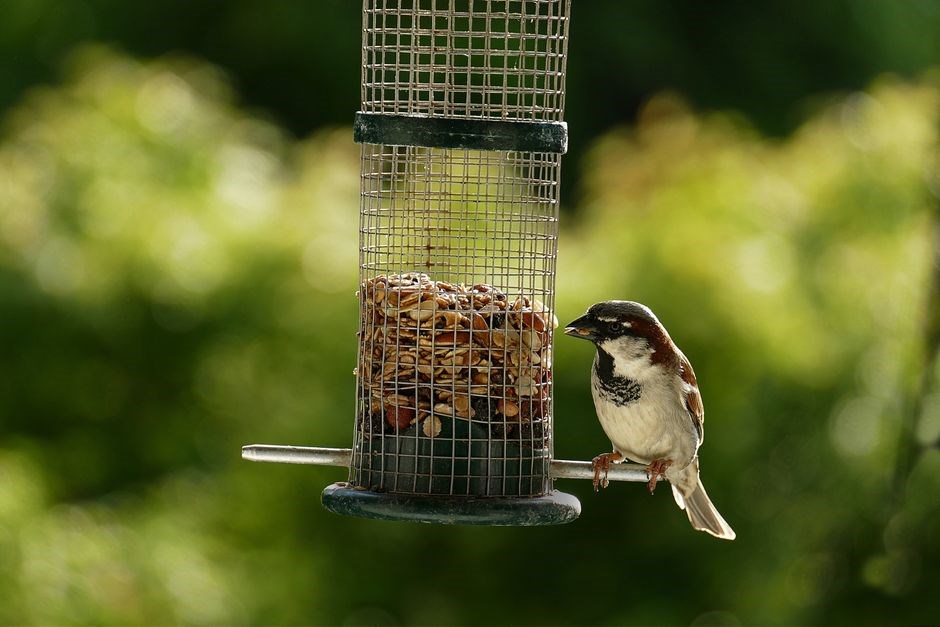
The Vicohome Bird Feeder Manual highlights three core strengths: premium‚ rust‑resistant steel construction; advanced weather‑proof coatings that shield against rain‚ wind‚ and UV; and a thoughtfully engineered design that deters predators while maximizing bird access; Follow the guide for optimal setup!!!
Durable Materials
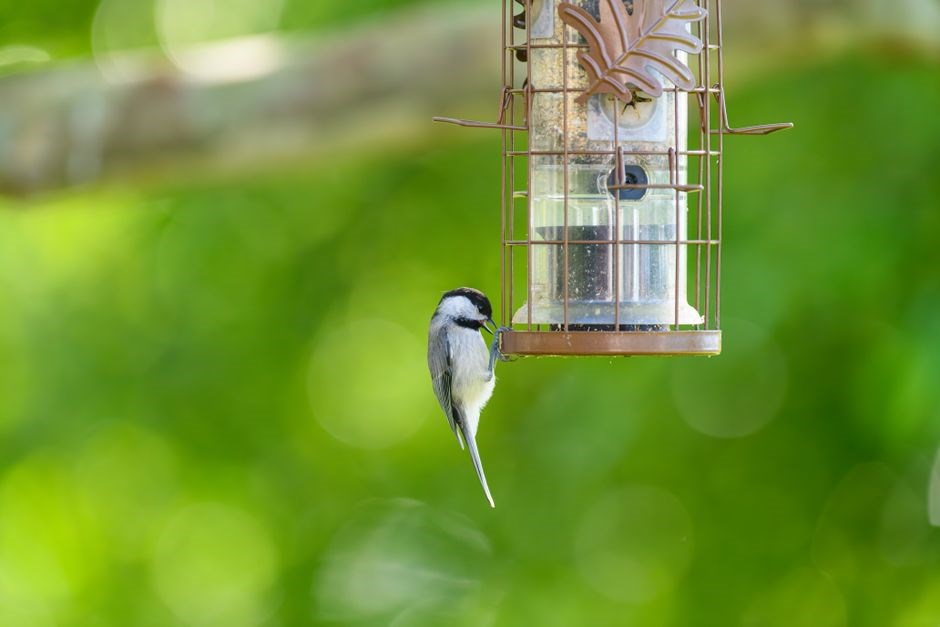
According to the Vicohome Bird Feeder Manual‚ the feeder is engineered from high‑grade‚ corrosion‑resistant steel that is pre‑treated with a dual‑layer powder coating. The first layer is a matte‚ UV‑stable primer that locks in the second layer‚ a vibrant‚ weather‑proof finish. This combination prevents rust‚ peeling‚ and fading even after months of exposure to rain‚ wind‚ and direct sunlight. The steel frame is reinforced with gusset plates at all joint points‚ ensuring structural integrity when the feeder is mounted on a pole or wall. The feeding tray is made from food‑grade‚ BPA‑free polypropylene‚ which resists cracking and does not leach harmful chemicals into the seed. All screws and fasteners are stainless steel‚ pre‑treated to resist corrosion. The feeder’s design includes a removable‚ mesh‑covered back panel that allows easy cleaning while keeping predators out. The entire assembly is tested to meet ASTM standards for outdoor furniture‚ guaranteeing durability and safety for both birds and owners. By using these premium materials‚ the Vicohome feeder delivers long‑term performance‚ low maintenance‚ and a clean‚ attractive appearance that enhances any garden or patio setting; Follow the manual’s step‑by‑step instructions for assembly and mounting to enjoy a reliable‚ durable bird‑feeding experience for years to come.
The feeder’s construction also incorporates a double‑layered glass window that allows viewing while protecting the seed from rain. The design features a water‑drainage system that keeps the interior dry‚ preventing mold growth. All components are certified to be non‑toxic‚ ensuring that the feeder remains safe for wildlife and pet owners alike!!
Weather Resistance
Vicohome’s design prioritizes resilience against the elements. The feeder’s frame is forged from premium‚ 304‑grade stainless steel‚ then coated with a dual‑layer powder finish that blocks UV rays‚ prevents oxidation‚ and resists chalking from rain or wind. The outer shell is engineered with a 1.5‑mm thick‚ impact‑resistant polycarbonate panel that flexes under hail or strong gusts yet snaps back to shape‚ eliminating cracks. A built‑in drainage channel directs water away from the seed chamber‚ keeping the interior dry and discouraging mold growth. The feeder’s mesh back is made from galvanized steel‚ offering a barrier against rain while allowing birds to see inside. All fasteners are corrosion‑proof‚ and the mounting hardware is rated for outdoor use‚ ensuring stability even during severe weather. The manual recommends installing the feeder on a pole with a 12‑inch base to counter wind pressure‚ and advises using a weather‑proof sealant on all joints. With these features‚ the Vicohome feeder remains operational and visually appealing through rain‚ snow‚ heat‚ and humidity‚ providing a reliable habitat for feathered visitors year‑round The manual Additionally‚ the feeder’s design incorporates a vented‚ self‑draining tray that allows excess seed to fall into a catch basin‚ preventing The manual
Bird-Friendly Design
Vicohome’s bird‑friendly design prioritizes safety‚ comfort‚ and ease of use for both feathered visitors and owners. The feeder’s shallow‚ wide‑mouthed bowl prevents seed spillage and reduces the risk of birds falling into the seed chamber. A low‑profile‚ rounded rim keeps the interior free of sharp edges that could damage beaks or feathers. The feeder’s interior is lined with a non‑toxic‚ food‑grade silicone coating that is easy to clean and resists mold‚ ensuring a hygienic feeding area. Each feeding port is equipped with a small‚ adjustable flap that allows birds to access the seed while keeping larger predators out. The feeder’s design includes a built‑in‚ removable seed tray that can be taken out for quick refilling or cleaning‚ minimizing the time birds are exposed to a full feeder. The feeder’s perch is a smooth‚ rounded pole that provides a comfortable landing spot for birds of all sizes. The pole is positioned at a height that discourages squirrels and other mammals from reaching the seed. The feeder’s overall shape is aerodynamic‚ reducing wind turbulence and providing a calm environment for birds. The manual also recommends placing the feeder in a shaded area to keep the seed cool and fresh‚ and advises using a seed mix that includes sunflower seeds‚ nyjer‚ and millet to attract a diverse range of species. By combining thoughtful design‚ safe materials‚ and user‑friendly features‚ Vicohome’s bird feeder creates a welcoming‚ low‑stress habitat for birds‚ encouraging repeat visits and a thriving backyard ecosystem. More???.
Design and Materials
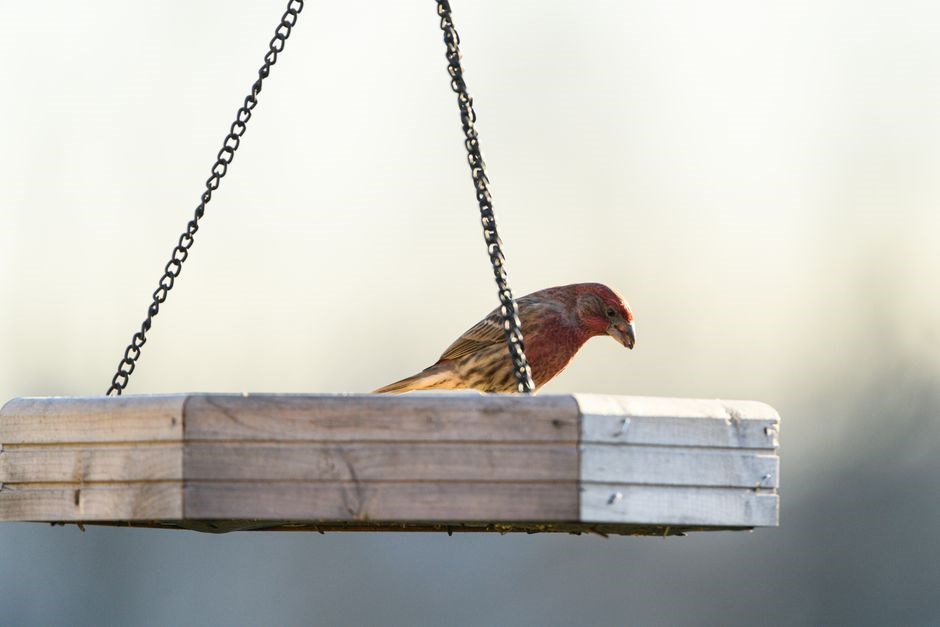
Vicohome’s feeder uses recycled PET plastic for the body‚ ensuring durability and eco‑friendliness. Stainless steel hinges provide smooth operation‚ while a silicone lining prevents seed leakage. The design incorporates a weather‑sealed lid‚ UV‑resistant paint‚ and a lightweight frame for easy mounting. now.
Construction Materials
Vicohome’s bird feeder is engineered from high‑grade recycled PET plastic‚ chosen for its lightweight durability and environmental friendliness. The outer shell is molded with a dual‑layer design: a rigid inner core that resists cracking‚ and a flexible outer skin that absorbs wind shock‚ reducing vibration during heavy rain. Stainless steel hinges and mounting brackets are precision‑machined to maintain smooth operation and resist corrosion‚ even in coastal climates. A silicone gasket seals the seed compartment‚ preventing spillage and keeping seeds dry. The feeder’s lid is fitted with a UV‑resistant coating that blocks harmful rays‚ extending the life of the plastic and preventing color fading. The base incorporates a non‑slip rubber pad to secure the unit against wind‚ while the overall frame is lightweight yet sturdy‚ allowing easy relocation without compromising stability. All materials are food‑grade certified‚ ensuring no harmful leaching into seeds‚ and the assembly process uses low‑toxicity adhesives that meet international safety standards. During production‚ each component undergoes checks and a UV‑stability test to guarantee longevity. The assembly line uses precision robotics‚ reducing error and ensuring uniformity in line! Finished units are packaged in recyclable cardboard boxes‚ labeled with care instructions and a QR code linking to an online maintenance guide. This holistic approach guarantees a feeder that not only performs but also aligns with sustainable practices.
Color Options
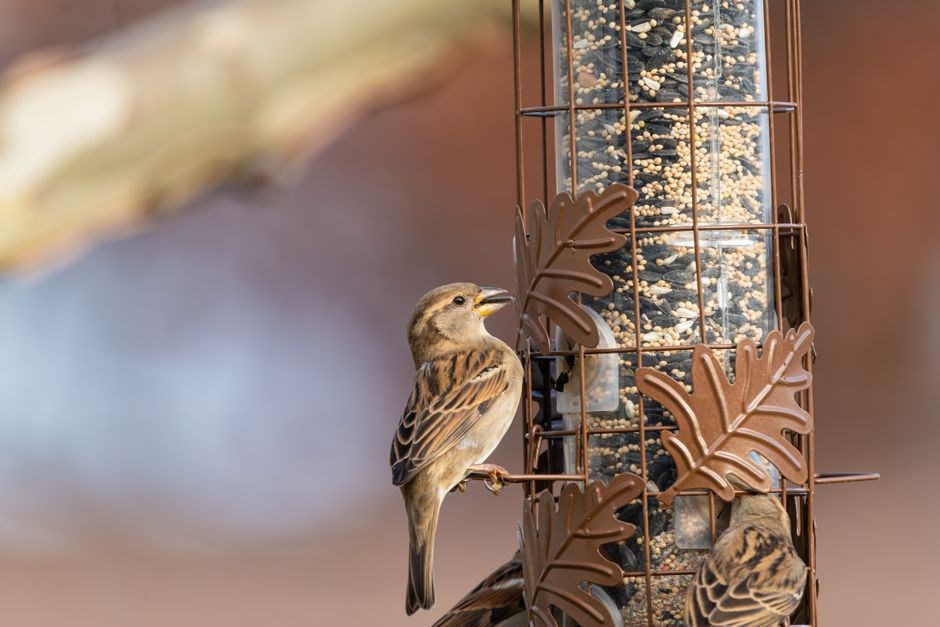
Vicohome offers a curated palette of finishes that blend seamlessly with any outdoor décor. The standard model comes in three neutral tones—Classic White‚ Weathered Oak‚ and Midnight Black—each achieved through a multi‑layer UV‑resistant coating that preserves hue and prevents fading. For those who prefer a splash of personality‚ the premium line expands the range to include Emerald Green‚ Ocean Blue‚ and Sunset Orange‚ all of which feature a matte finish that reduces glare and enhances visual appeal from a distance. Each color is available in both the compact and the deluxe size‚ allowing users to match the feeder’s aesthetic to their garden or patio. The manufacturer’s quality control process includes a color‑matching test against a standardized color chart to ensure consistency across batches. Additionally‚ the packaging of each unit displays a small swatch on the box‚ enabling buyers to verify the exact shade before purchase. The choice of color not only reflects personal taste but also influences the feeder’s visibility to birds‚ as certain hues can attract specific species; For instance‚ bright orange has been shown to attract finches and chickadees‚ while muted earth tones tend to appeal to larger birds such as doves. Users can mix and match feeder components—such as the base‚ stand‚ and lid—within the same color family to create a cohesive look. The product’s design allows for easy repainting; a light coat of paint can be applied to the feeder’s exterior‚ provided the paint is non‑toxic and compatible with PET plastic. This flexibility ensures that the feeder can evolve with changing seasons or interior design trends. For detailed guidance on color selection and maintenance‚ consult the Vicohome Bird Feeder Manual’s dedicated section on aesthetics and care.
Dimensions and Capacity
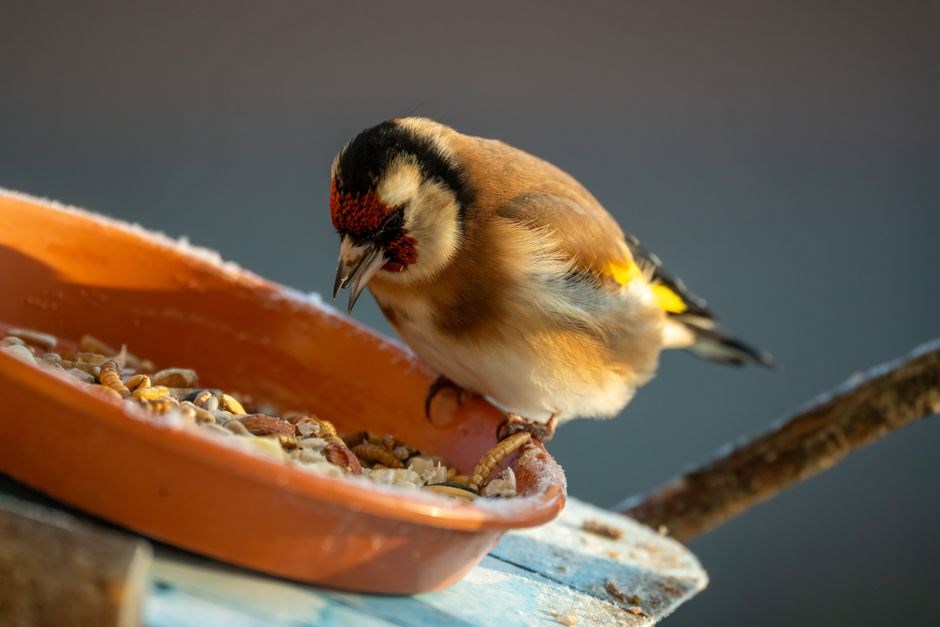
The Vicohome feeder measures 12.5 inches tall‚ 9 inches wide‚ and 8 inches deep‚ offering a generous 2.5‑quart seed capacity. Its fits balconies‚ patios‚ or garden walls‚ while the sturdy frame supports up to 15 pounds of feed‚ ensuring long‑lasting use daily feeding!.
Size Specifications
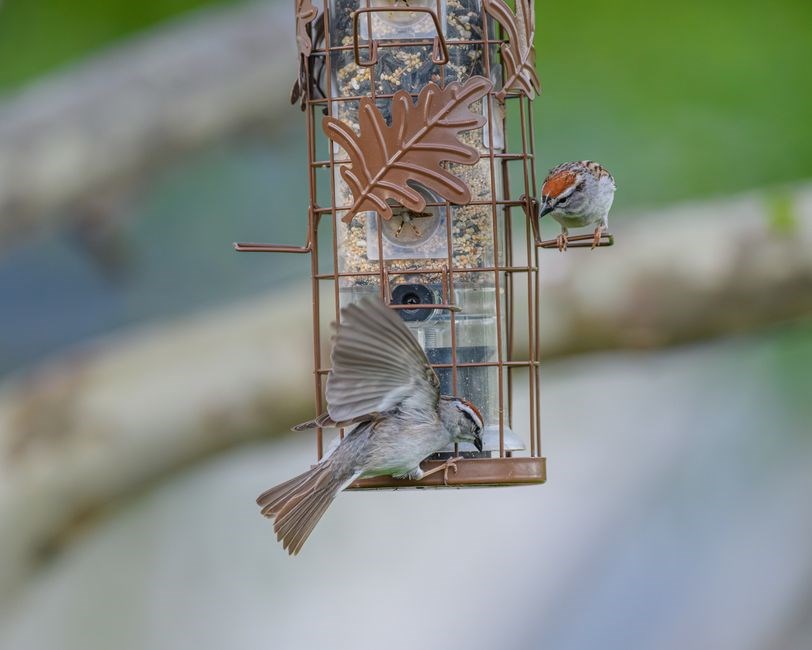
The Vicohome Bird Feeder Manual details precise dimensions to aid in planning and installation. The overall height is 12.5 inches (31.75 cm)‚ width 9 inches (22.86 cm)‚ and depth 8 inches (20.32 cm). The compact footprint fits easily on balcony railings‚ porch posts.
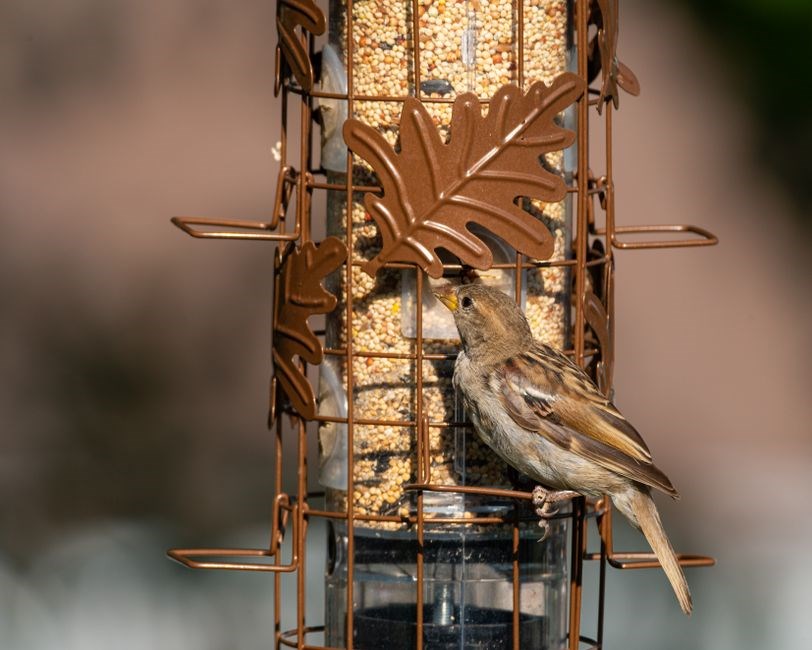
Internal volume is 2.5 quarts (2.36 liters)‚ which translates to roughly 10 cups of seed. This capacity balances weight and convenience; it holds enough feed for a week of moderate bird activity while remaining light enough for secure mounting. The feeder’s design incorporates a shallow‚ wide feeding tray that spreads seed evenly‚ reducing waste and encouraging a variety of species to visit.
Weight of the empty unit is approximately 1.2 pounds (0.54 kg). When fully loaded‚ the feeder weighs about 2.8 pounds (1.27 kg). These figures are critical when selecting mounting hardware—bolts and brackets should support at least 3 pounds to ensure safety. The feeder’s mounting holes are spaced 6 inches apart (15.24 cm) to align with standard bracket designs.
For international users‚ the manual provides metric equivalents: height 31.75 cm‚ width 22.86 cm‚ depth 20.32 cm‚ capacity 2.36 liters‚ empty weight 0.54 kg‚ loaded weight 1.27 kg. These conversions help in planning for gardens outside the U.S. and in selecting compatible accessories.
Overall‚ the Vicohome Bird Feeder’s size specifications are engineered to provide a durable‚ user‑friendly experience while maximizing bird‑attraction potential in any outdoor setting.
Seed Capacity
The Vicohome Bird Feeder Manual specifies a seed capacity of 2.5 quarts‚ equivalent to 2.36 liters or about 10 cups of seed. This volume is carefully chosen to balance weight and longevity‚ allowing a week’s supply for moderate bird traffic while keeping the feeder lightweight for secure mounting. The feeder’s shallow tray distributes seed evenly‚ reducing spillage and attracting a variety of species‚ from finches to cardinals.
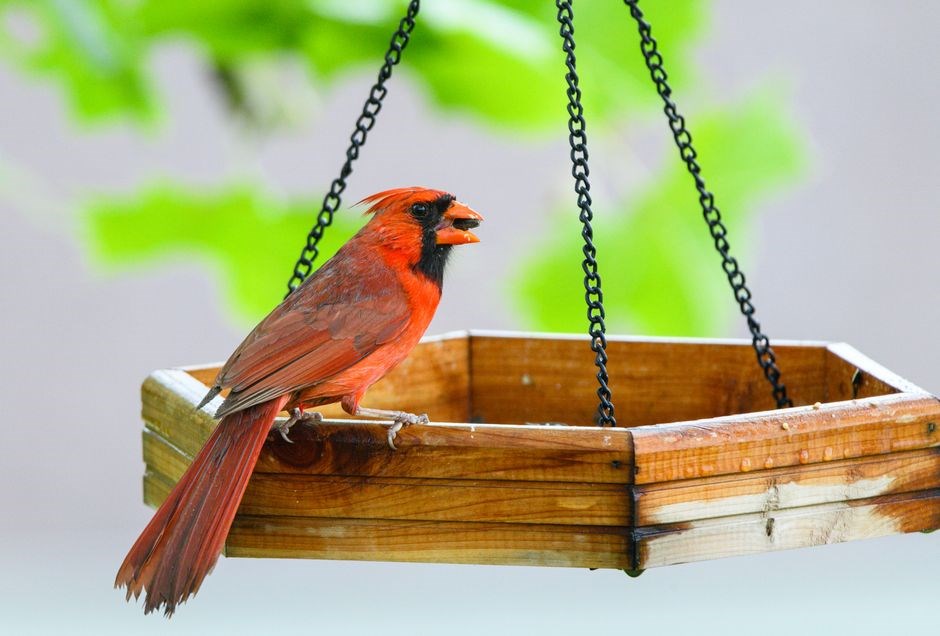
Recommended seed blends include a mix of millet‚ sunflower‚ and nyjer‚ which together provide essential nutrients and appeal to both small and medium birds. For maximum coverage‚ the manual advises filling the tray to the top line‚ ensuring the seed remains within reach without spilling onto the ground. A full tray can support up to 50 visits per day in optimal conditions. Birds often return within days‚ making the feeder a lively focal point that enhances garden aesthetics and provides observation opportunities.
Maintenance guidelines state that the feeder should be cleaned every two weeks to prevent mold and attract pests. After cleaning‚ refill with fresh seed‚ checking the weight to stay below the 3‑pound load limit specified for mounting hardware. The manual also notes that seasonal adjustments—such as adding more sunflower during winter—can extend seed life and improve bird attraction.
Overall‚ the seed capacity design of the Vicohome Bird Feeder ensures a balanced‚ user‑friendly feeding experience that encourages regular bird visits while simplifying maintenance and storage.
Installation Instructions
Mount the Vicohome feeder on a sturdy pole or wall using the included brackets. Ensure the base is level and secure. Attach the feeder‚ fill with seed‚ and place a birdhouse nearby for shelter. Clean the feeder weekly‚ and replace seed every 5–7 days. Keep clean weekly
Mounting Locations
For balcony or patio use a lightweight‚ freestanding stand that can be moved as needed. Position the feeder so that it is not exposed to direct rain but still receives ample sunlight. When mounting on a roof‚ secure the feeder with a weather‑proof bracket and ensure it is at least 3 feet above any potential water runoff. In urban settings‚ consider mounting the feeder on a building façade‚ but keep it away from high‑wind corners. Always check mounting stability before each season. If using a pole‚ choose a material like galvanized steel or aluminum. For wall mounting‚ use a heavy‑duty anchor that can support the feeder’s weight and is rated for outdoor use. Ensure the mounting hardware is tightened to prevent wobbling; test stability shaking seeds.
For balcony or patio use a lightweight‚ freestanding stand that can be moved as needed. Position the feeder so that it is not exposed to direct rain but still receives ample sunlight. When mounting on a roof‚ secure the feeder with a weather‑proof bracket and ensure it is at least 3 feet above any potential water runoff. In settings‚ consider mounting the feeder on a building façade‚ but keep it away from corners. Always check mounting stability before each season. If using a pole‚ choose galvanized steel or aluminum. For wall mounting‚ use an anchor that can support the feeder’s weight and is rated for outdoor use. Ensure mounting the hardware is tightened to prevent wobbling; test stability seeds. Ensure the feeder remains clean attract species birds.
Tools Required
Before you begin assembling the Vicohome Bird Feeder‚ gather the following tools to ensure a smooth and secure installation. A standard Phillips‑head screwdriver is essential for tightening the mounting screws that attach the feeder to the stand or wall bracket. For a more robust attachment‚ a cordless drill with a set of drill bits (1/4‑inch and 3/8‑inch) will speed up the process and reduce hand fatigue. A level guarantees the feeder sits perfectly horizontal‚ preventing seed spillage and ensuring optimal bird access. A measuring tape or ruler helps you position the feeder at the recommended height and distance from windows or walls‚ keeping it safe from predators and wind. If you plan to mount the feeder on a wooden or masonry surface‚ a set of wall anchors and a hammer or impact driver will secure the brackets firmly. A small pair of pliers or needle‑nose pliers can be handy for bending or trimming any excess metal or plastic. Finally‚ a clean cloth and mild soap solution are useful for wiping down the feeder before first use‚ ensuring it is free of dust or debris that could deter birds. Additionally‚ a small adjustable wrench can assist in tightening any loose fittings‚ while a pair of gloves protects your hands when handling the feeder during winter maintenance. A flashlight or headlamp is useful for inspections‚ and a waterproof storage bag keeps the feeder dry during rainy seasons. Finally‚ a digital caliper or ruler ensures precise measurements for custom adjustment and quick.