Algebra 2 textbooks offer structured practice, guiding students through concepts like functions, equations, and geometry. A well‑crafted solution guide clarifies steps, highlights common pitfalls, and reinforces learning by connecting theory to real‑world applications. Step‑by‑step boost confidence
1.1 Purpose of the textbook and its role in curricula
The purpose of a McGraw‑Hill Algebra 2 textbook is to scaffold students’ progression from foundational algebraic ideas to more complex analytical techniques. It aligns with state standards, ensuring that each chapter builds on the previous one while introducing new concepts such as quadratic functions, systems of equations, and trigonometric identities. By offering a mix of theory, worked examples, and practice problems, the book supports diverse learning styles and encourages active engagement. The curriculum role is twofold: first, it serves as a primary instructional resource for teachers, providing lesson plans, assessment rubrics, and alignment guides that streamline lesson preparation. Second, it acts as a reference for students, offering clear explanations, visual representations, and abstract mathematics. The textbook’s design emphasizes conceptual understanding over rote memorization, fostering critical thinking and problem‑solving skills that are essential for higher‑level math courses and STEM fields. Additionally, the integration of technology—interactive simulations, online quizzes, and adaptive learning tools—enhances accessibility and allows for differentiated instruction. In sum, the McGraw‑Hill Algebra 2 text is a comprehensive, standards‑aligned framework that supports both educators and learners in achieving measurable learning outcomes. Teachers can also leverage the companion online platform to track student progress, generate custom quizzes, and receive analytics that inform instructional adjustments. Students benefit from the structured progression, as each chapter introduces new tools that build confidence and analytical rigor, preparing them for college‑level mathematics and beyondex

Why Students Seek Answer PDFs
Students look for answer PDFs to quickly verify solutions, save time during exams, and reduce anxiety. Instant access to step‑by‑step solutions offers convenience, yet overreliance can impede deep understanding and critical thinking skills for mastery.!!!!
2.1 Common motivations behind the search for ready solutions
Students also cite the desire for self‑assessment, using PDFs to compare their solutions and identify mistakes early. The accessibility of digital copies means they can review problems on the go, which is especially useful for commuters or those juggling multiple courses. Moreover, the visual layout of printed solutions often highlights key steps, making it easier to spot patterns and common pitfalls. Finally, the social aspect—sharing PDFs with classmates—can foster collaborative learning, provided the exchange remains within ethical boundaries.
Thus, PDFs serve as a quick reference, but mastery demands problem solving beyond review daily.
3.1 Published answer keys and their accessibility
McGraw‑Hill publishes official answer keys for Algebra 2 textbooks, typically released in a companion booklet or online portal. These keys are designed to provide step‑by‑step solutions, allowing students to verify their work and understand the reasoning behind each answer. Access is usually restricted to enrolled students, teachers, or institutions that purchase the textbook. Many schools subscribe to the McGraw‑Hill Learning Management System (LMS), where students can log in with a unique credential to view the answer key for the current edition. The LMS interface offers a searchable database, letting users locate specific chapters or problem numbers quickly. For those without institutional access, the publisher offers a limited free preview of selected solutions, often in PDF format. This preview typically includes the first few chapters or a sample set of problems, giving prospective buyers a taste of the depth and clarity of the explanations. Additionally, McGraw‑Hill partners with educational platforms such as Pearson’s MyLab or the McGraw‑Hill Connect portal, where instructors can upload custom quizzes and receive automated grading tied to the official solutions. While these resources are highly valuable for legitimate study, they are protected by copyright, and unauthorized distribution of the full answer key is prohibited. Therefore, students should always seek official channels and respect licensing agreements to maintain good
Third‑Party PDF Downloads
Students often seek free PDFs of answer sheets from forums or file‑hosting sites. These unofficial copies may be outdated, incomplete, or contain malware. Downloading them risks legal issues and can compromise device security. They are not endorsed by the publisher!!

4.1 Popular sources and the risks of using unverified materials
Students frequently turn to online marketplaces, peer‑to‑peer networks, and anonymous file‑sharing platforms to locate “McGraw‑Hill Algebra 2 answers PDF.” These sites often promise instant access to full answer keys, practice worksheets, or even entire solution manuals. However, the allure of free content masks several serious concerns.
First, the legality of these downloads is dubious. Most of the material is distributed without the publisher’s authorization, violating copyright law. Users who download or share such files may unknowingly expose themselves to civil penalties or, in extreme cases, criminal prosecution.
Second, the quality of the documents is unpredictable. Unverified PDFs can contain errors, misprinted equations, or incomplete explanations that mislead students. Relying on inaccurate solutions can reinforce misconceptions, making it harder to master core concepts.
Third, security risks are significant. Many untrusted sites host malware disguised as PDF files. Opening a compromised document can install viruses, ransomware, or spyware on a student’s computer, compromising personal data and academic integrity.
Finally, academic policies at most institutions explicitly forbid the use of unauthorized materials. Instructors may detect irregularities in problem‑solving patterns, leading to disciplinary action, including failing grades or suspension!!

Legal Considerations
Copyright protects McGraw‑Hill Algebra 2 materials. Unauthorized PDFs infringe rights and risk civil penalties. Fair‑use applies only to limited, transformative uses, not wholesale distribution. Seek legitimate resources to stay compliant. Verify authenticity before use.
5.1 Copyright law basics and fair‑use limits
Copyright law protects the original expression of ideas, including textbook content. For McGraw‑Hill Algebra 2, the publisher holds exclusive rights to reproduce, distribute, and create derivative works. Unauthorized PDFs that copy large portions of the text violate these rights and can lead to civil liability. The doctrine of fair use offers limited exceptions, evaluated under four factors: purpose and character of use, nature of the copyrighted work, amount used, and effect on market value. Transformative use—such as adding commentary, critique, or educational analysis—may lean toward fair use, but simply providing ready answers for students does not. The amount used must be minimal; copying entire chapters or problem sets exceeds the threshold. Even if the use is non‑commercial, the potential market impact remains a decisive factor. Courts often look at whether the new work competes with the original. In practice, most educational institutions prohibit the distribution of full answer PDFs, and libraries typically restrict access to authorized copies, students should consult institutional policies and seek legitimate resources, as official answer keys or licensed educational platforms, to remain compliant with copyright law. Students should consult officialguidelines and institutional policies before accessing or sharing answerresources. Ethical study practices promote mastery and long‑term success, ensuring that learning remains authentic and that academic standards are upheld. By respecting copyright, learners protect the integrity of education and support authors. Protecting rules ensures learning.
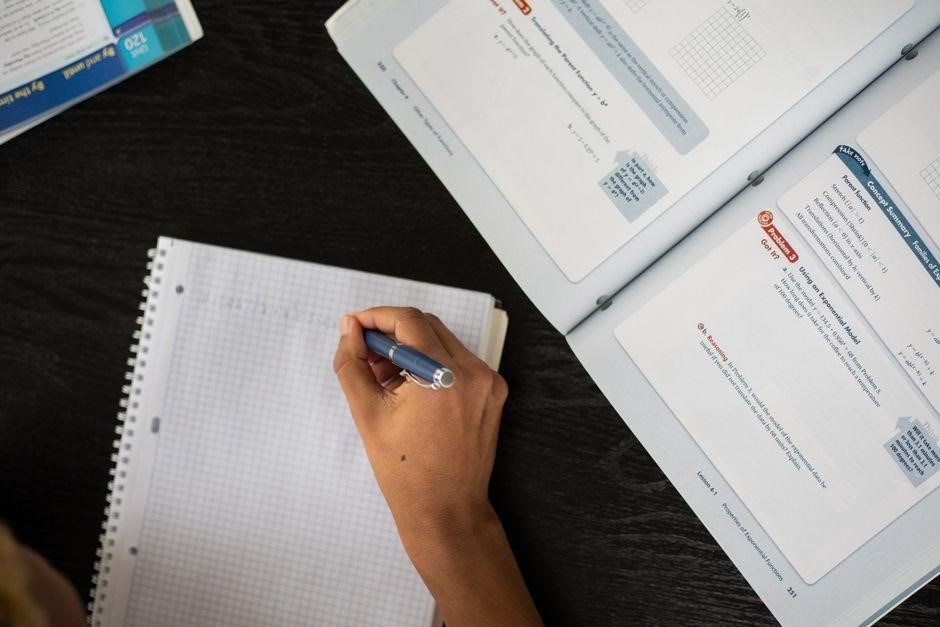
Ethical Study Practices
Students should use resources today!, review solutions critically, and avoid sharing unauthorized PDFs. Engaging with problem sets builds understanding, while study groups foster discussion. Integrity builds trust, ensuring academic success and respecting authorship.
6.1 Academic integrity policies and the consequences of cheating
Academic integrity is the cornerstone of any reputable educational institution. When students resort to unauthorized materials, such as illicit McGraw‑Hill Algebra 2 answer PDFs, they violate the trust placed in them by faculty and peers. Most colleges and universities have explicit policies that define cheating as the use of prohibited resources, the fabrication of work, or the collaboration on assignments that are intended to be completed independently. Violations can trigger a range of disciplinary actions, from a warning or mandatory academic‑honesty workshop to a failing grade on the assignment, a zero on the course, or even suspension and expulsion in severe cases. In addition to institutional penalties, students may face legal repercussions if they distribute copyrighted content. The consequences extend beyond the classroom: a tarnished academic record can hinder future scholarship opportunities, admissions to graduate programs, and professional licensing. Moreover, reliance on stolen solutions erodes critical thinking skills, leaving students ill‑prepared for real‑world problem solving. Therefore, it is essential to approach learning with honesty, using official resources, and seeking help through legitimate tutoring or office hours rather than shortcuts that compromise both integrity and long‑term success.
Academic institutions also emphasize the development of reflection skills, encouraging students to analyze their learning processes. By confronting challenging problems without shortcuts, learners cultivate a deeper appreciation for reasoning. Faculty often provide formative feedback, guiding students toward conceptual understanding rather than rote memorization. When students internalize these principles, they not only achieve higher grades but also build a foundation for lifelong learning and ethical decision‑making in professional settings
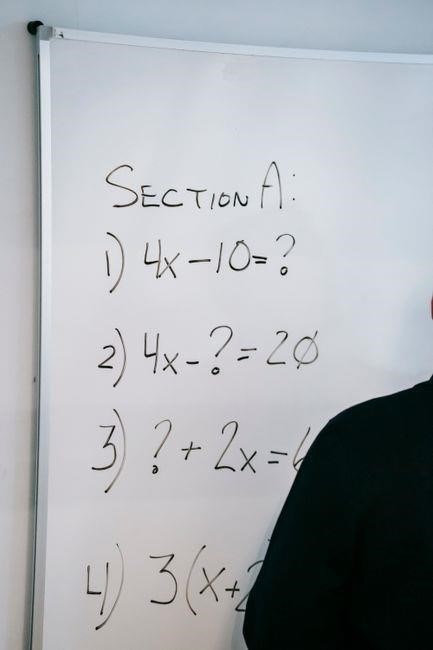
Alternative Learning Aids
Students can explore Algebra 2 materials, such as Khan Academy, and repositories. These resources offer interactive lessons, practice problems, and community forums, fostering collaborative learning without violating copyright. They also offer peer review daily now!

7.1 Open‑source textbooks and supplementary practice problems
Open‑source textbooks provide free, peer‑reviewed content that aligns with Algebra 2 curricula. They are often hosted on platforms like OpenStax, LibreTexts, or the Open Textbook Library, offering downloadable PDFs, interactive notebooks, and modular lesson plans. These resources are updated regularly, ensuring that they reflect current standards and incorporate contemporary examples.
Supplementary practice problems can be found in repositories such as the Open Problem Library, the OpenEdX problem set, or community‑curated GitHub projects. These problem sets cover a wide range of difficulty levels, from foundational drills to advanced application questions that require multi‑step reasoning. Many of these problems are tagged by topic, allowing students to target weak areas efficiently.
- Customization: Remix content, add annotations, translate sections. for collaborative learning. for peer feedback!
- Feedback: Peer review, critique solutions, promote thinking.
- Integration: Tools include APIs, enable grading, track progress.
- Community: Share solutions, discuss strategies.
By leveraging these open resources, learners can supplement textbook material, practice independently, and explore alternative explanations that may resonate better with their learning style. This approach not only reduces costs but also encourages a culture of knowledge sharing and continuous improvement in mathematics education.